

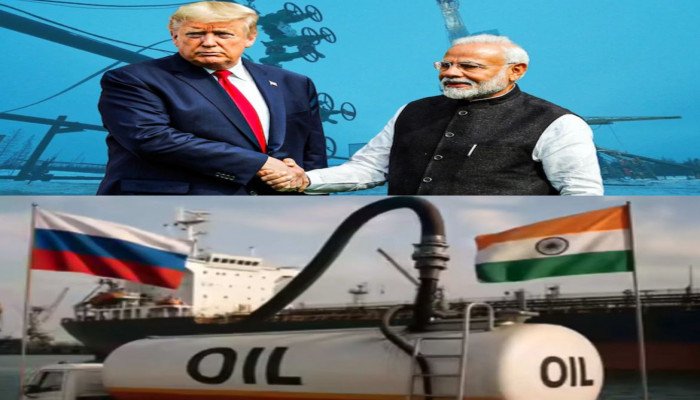
Amid the escalating war in West Asia and growing concerns over global oil supply, the United States has granted India a 30-day temporary waiver to purchase Russian crude oil. The US administration said the move is aimed at ensuring a steady flow of oil into the global energy market and easing supply pressures caused by the conflict.
In a statement issued on Friday, US Treasury Secretary Scott Bessent described the decision as a “deliberately short-term measure” and said it would not provide any significant economic benefit to Russia. According to him, the waiver applies only to Russian oil cargoes that had already been loaded onto ships and were stranded at sea, facing difficulties in reaching buyers.
Under the directive issued by the US Treasury Department, Russian oil and petroleum products loaded onto vessels before March 5, 2026, may be sold, supplied and discharged at Indian ports until April 4, 2026. The condition is that the transactions must involve buyers registered under Indian law.
Energy crisis deepens amid war
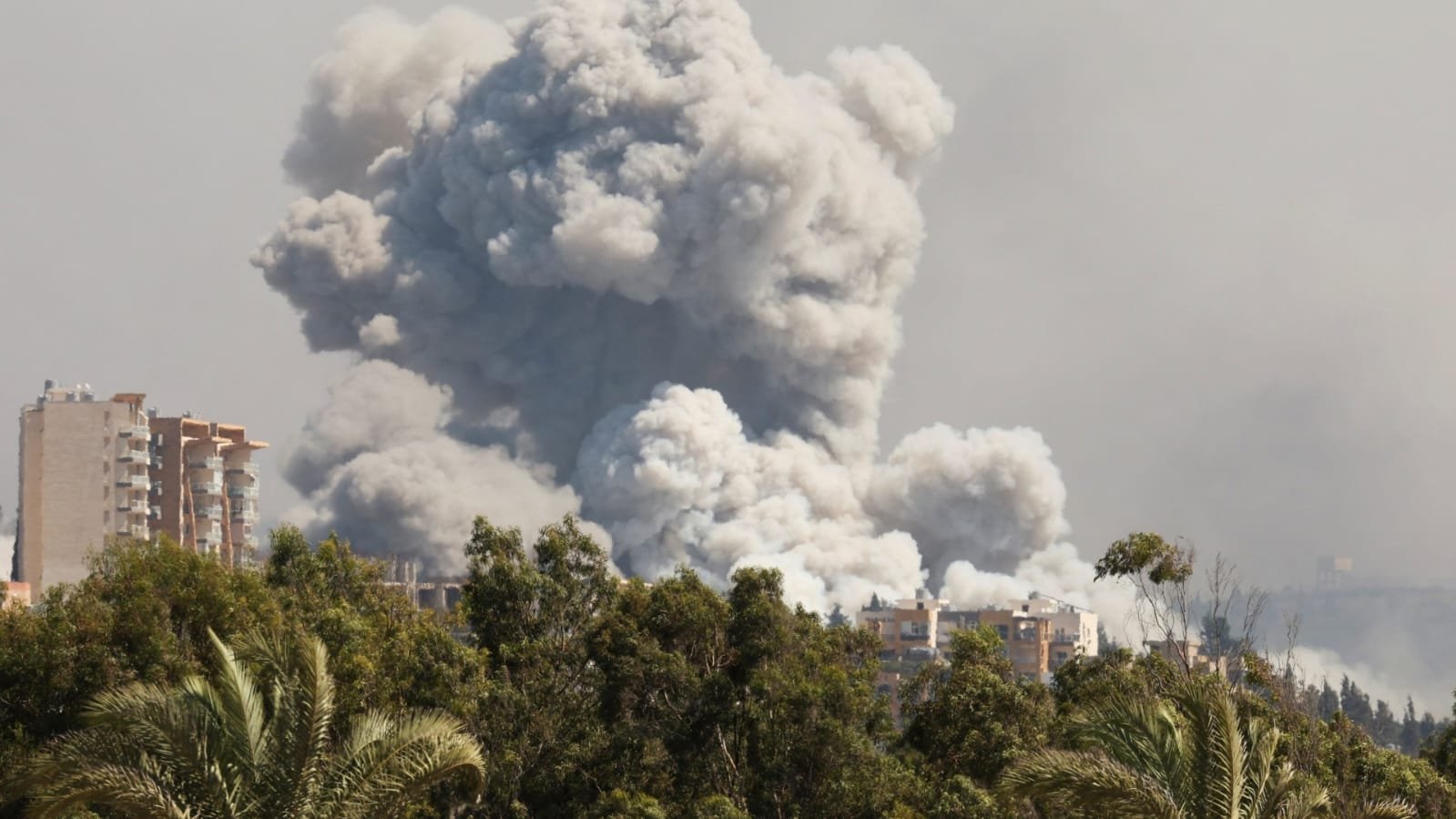
The ongoing conflict in West Asia has increased volatility in the global oil market. In particular, rising tensions around the Strait of Hormuz have heightened concerns about global oil supplies.
Nearly 20 percent of the world’s seaborne oil trade passes through this route, making it one of the most critical energy chokepoints. Any military escalation in the area could directly disrupt international markets.
Energy analysts warn that if oil shipments through the strait are interrupted, global prices could surge sharply, putting additional pressure on import-dependent economies.
Impact on India’s energy security
India imports nearly 85 percent of its crude oil needs. Over the past two years, the country significantly increased purchases of discounted Russian crude. However, recent months have seen a gradual shift, with imports from Russia declining while purchases from Gulf countries and the United States have risen.
Official data shows Russia’s share in India’s total oil imports has dropped below 20 percent, the first time since May 2022.
Washington’s strategic calculation
US officials say the temporary waiver is intended solely to maintain stability in global oil supply. Treasury Secretary Bessent expressed hope that India would expand its purchases of American energy products in the future, describing the country as an “important partner” for Washington.
Background of tariff dispute
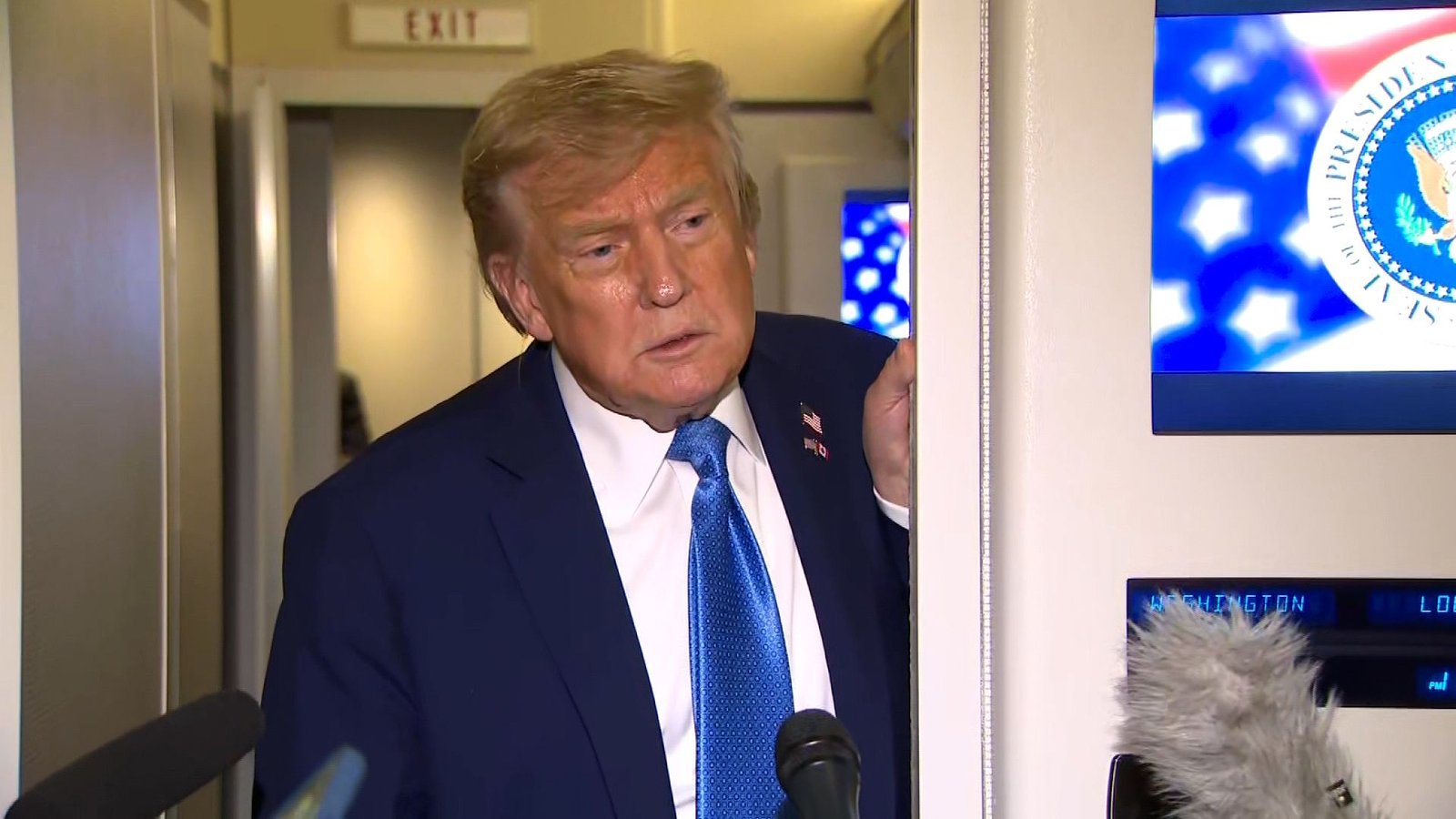
Earlier, the administration of US President Donald Trump had imposed 25 percent punitive tariffs on India over its continued purchase of Russian oil. Washington had argued that India’s imports were providing financial support to Russia amid the war in Ukraine.
The tariffs were later lifted after the two countries reached an interim framework for a trade agreement.
Political reaction in India
The US waiver has sparked political debate in India. Opposition parties have questioned whether the country’s energy policy is being influenced by pressure from Washington.
Leaders of the Indian National Congress have asked the government to clarify the extent to which India’s energy security and foreign policy decisions may be affected by external factors.
Possible impact on global markets
Experts believe the US waiver could temporarily calm market fears by allowing oil shipments already at sea to reach buyers. However, if the war in West Asia drags on or shipping through the Strait of Hormuz is disrupted, global oil prices could rise sharply in the coming months.