

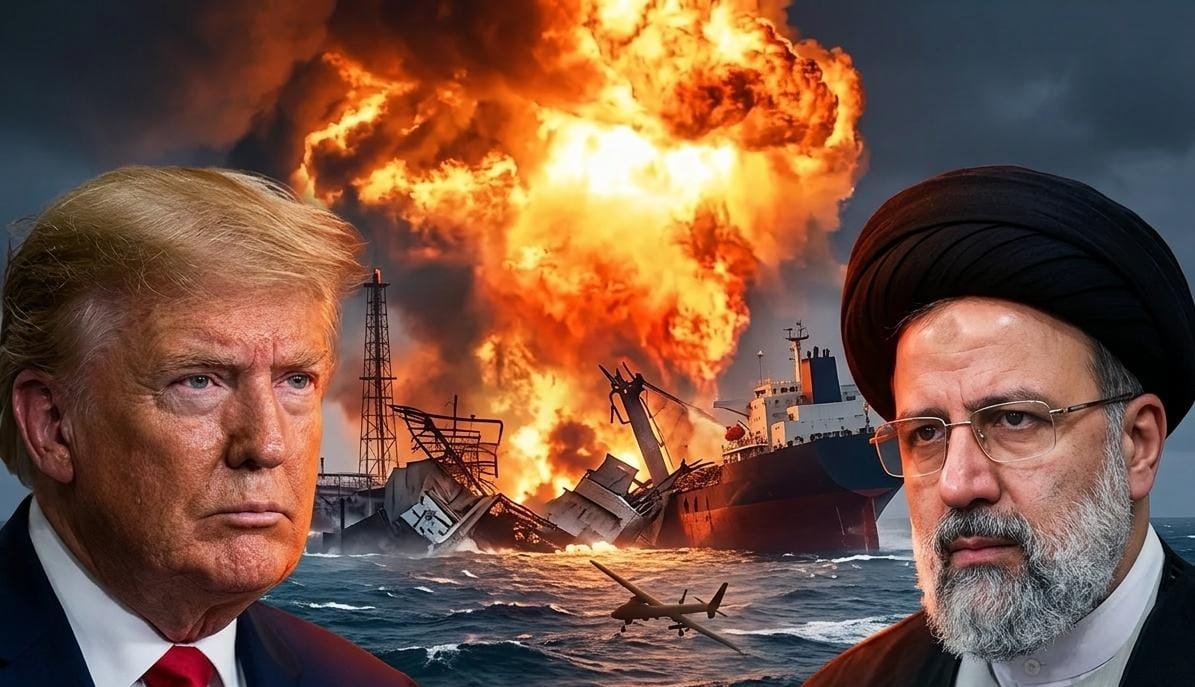
Tensions in West Asia are intensifying as the ongoing military conflict continues to escalate. The President of the United States, Donald Trump, has urged several countries around the world to deploy warships to protect the strategic maritime route Strait of Hormuz. This narrow waterway is one of the most crucial energy corridors globally, through which nearly 20 percent of the world’s oil supply passes.
Trump Calls for Shared Responsibility
Speaking to reporters aboard the presidential aircraft Air Force One, Trump said that countries benefiting from oil shipments through the Strait of Hormuz should take responsibility for safeguarding the route.
He added that the United States is no longer dependent on Gulf oil because it has become the largest oil producer in the world.
Warning of More Strikes on Kharg Island
Trump also referred to recent U.S. strikes on Kharg Island, Iran’s main oil export hub. According to him, the attacks caused significant damage to oil infrastructure on the island. He hinted that the United States could target the island again if necessary.
Experts consider Kharg Island the lifeline of Iran’s economy, as the majority of the country’s crude oil exports pass through this facility.
Iran’s Strong Reaction
Abbas Araghchi, Foreign Minister of Iran, strongly condemned the statement by Trump. He said that attacking Iran’s energy facilities is a violation of international law, warning that Tehran would respond firmly if such strikes continue.
Araghchi also claimed that the attack on Kharg Island was launched from a location near Ras Al Khaimah and Dubai in the United Arab Emirates. However, the regional U.S. military command United States Central Command has not commented on this claim.
Iran Claims Retaliatory Strikes
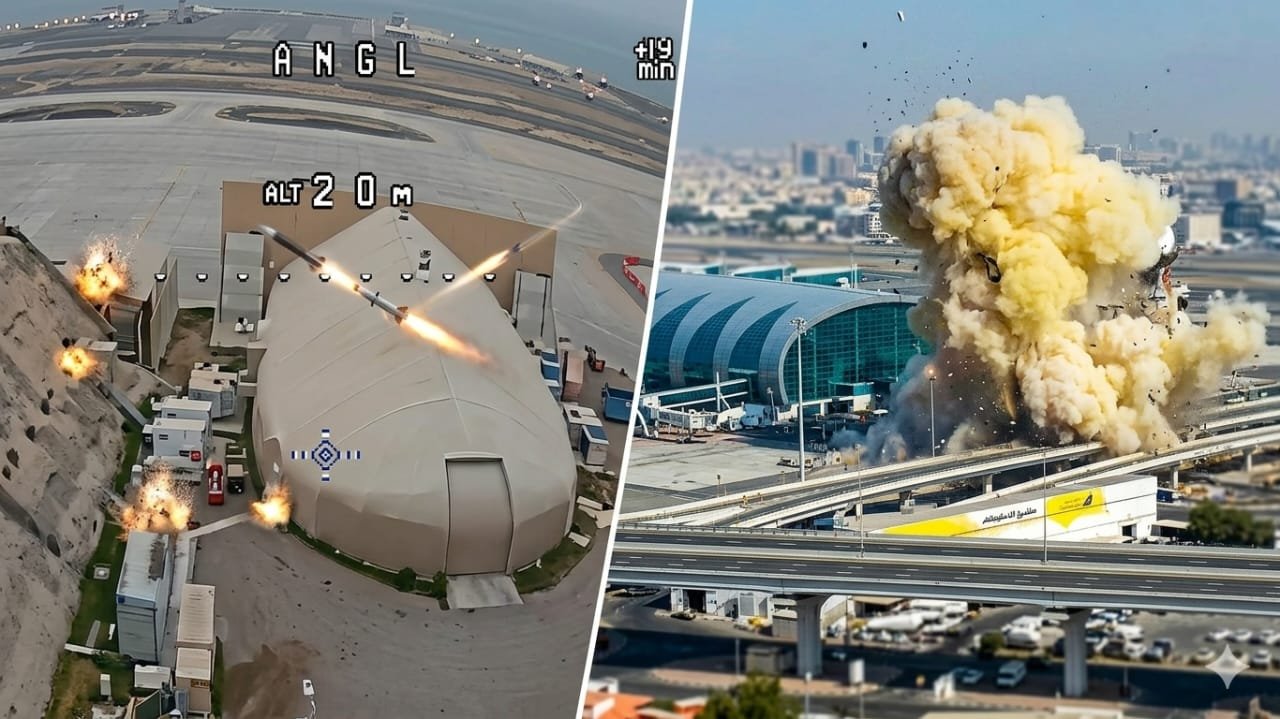
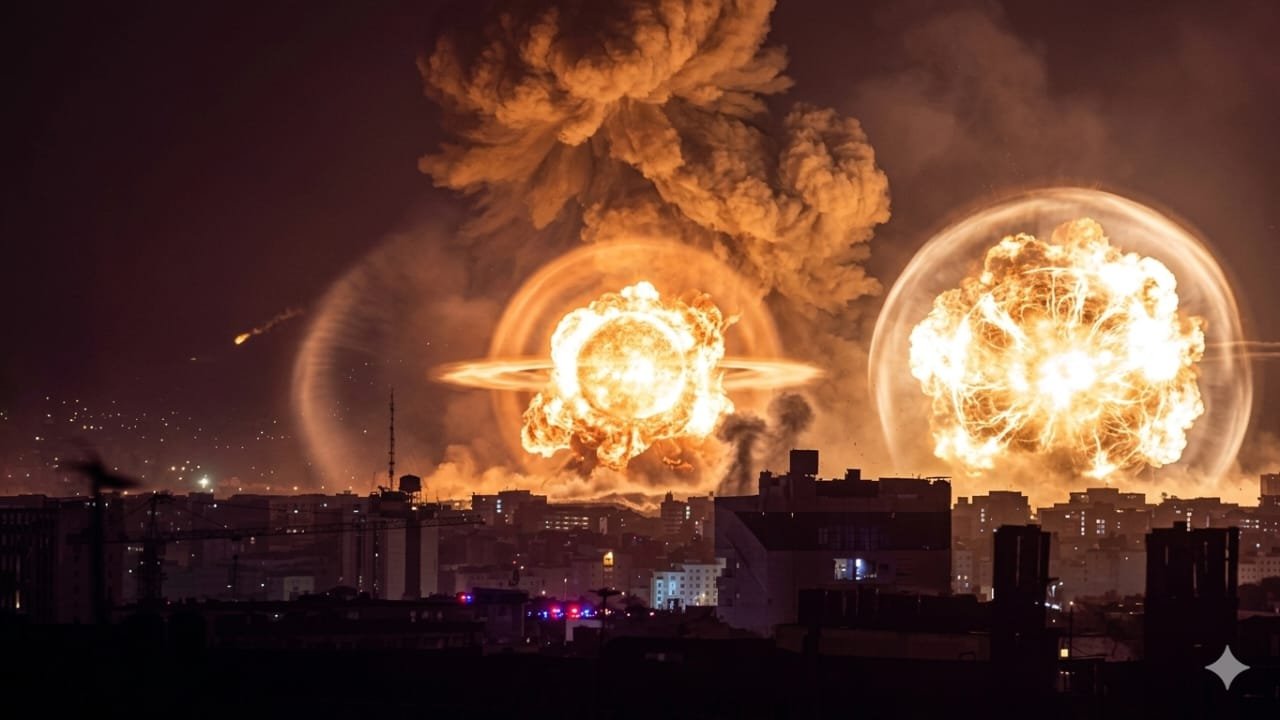
Iran’s military force Islamic Revolutionary Guard Corps stated that it carried out missile and drone strikes targeting Israel and three U.S. military bases in the region. Tehran said the attacks were retaliation for workers killed in earlier strikes.
Meanwhile, a missile attack on an industrial complex in the Iranian city of Isfahan reportedly killed at least 15 people.
Israel Says Regime Change Not the Goal
A spokesperson for the Israel Defense Forces said that the objective of the war is not to overthrow Iran’s government. According to the Israeli military, the aim is to create conditions that would allow the Iranian people to determine their own future.
Concerns Over Global Energy Markets
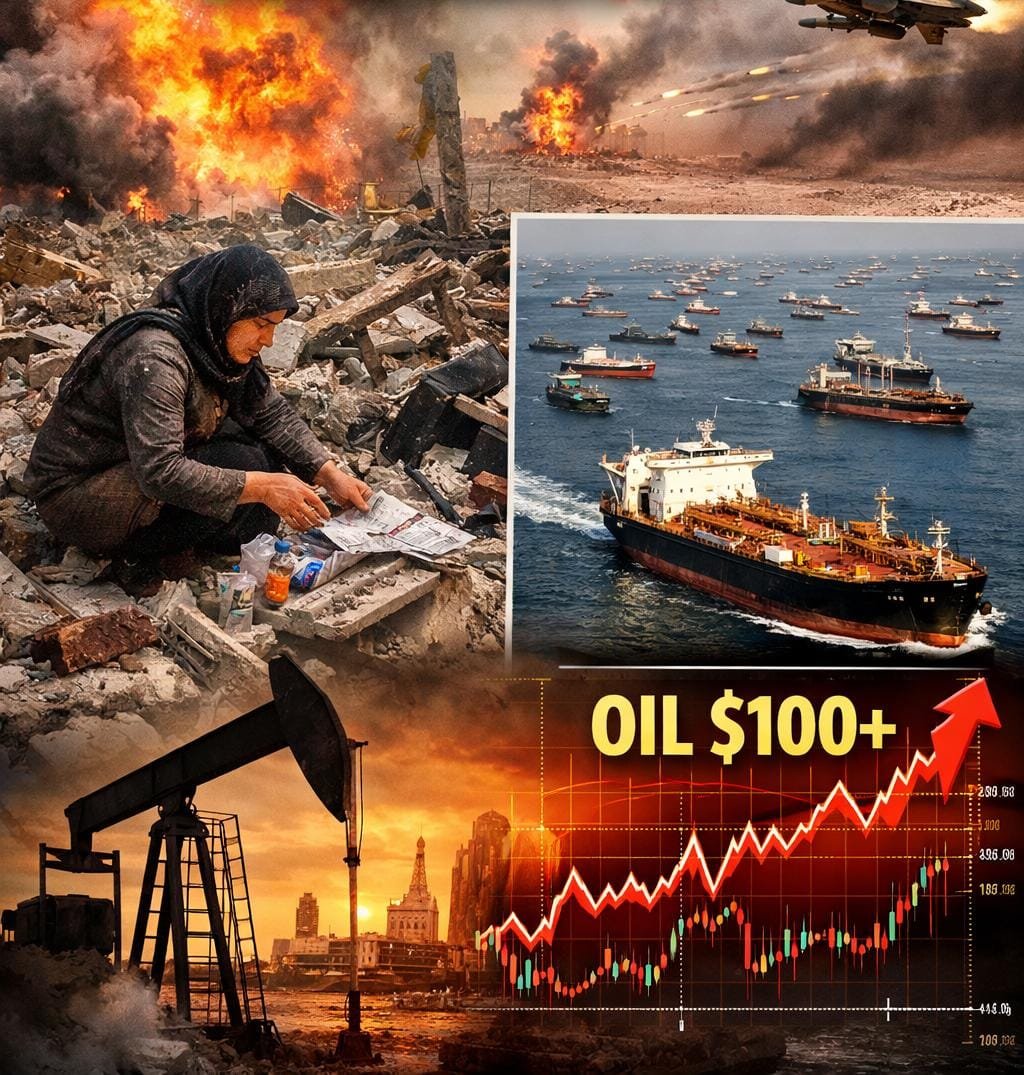
Experts warn that any disruption in shipping through the Strait of Hormuz could have serious consequences for global oil markets and the international economy.
Rising military tensions in the region have also complicated diplomatic efforts. President Donald Trump said Iran wants negotiations, but the United States is not currently ready for an agreement.
However, Iran’s Foreign Minister Abbas Araghchi stated that it is difficult to trust negotiations when attacks take place during ongoing diplomatic talks.
Rising Human Cost of the Conflict
According to reports, the conflict that began on 28 February has already resulted in more than 2,000 deaths, highlighting the growing humanitarian toll of the escalating war.