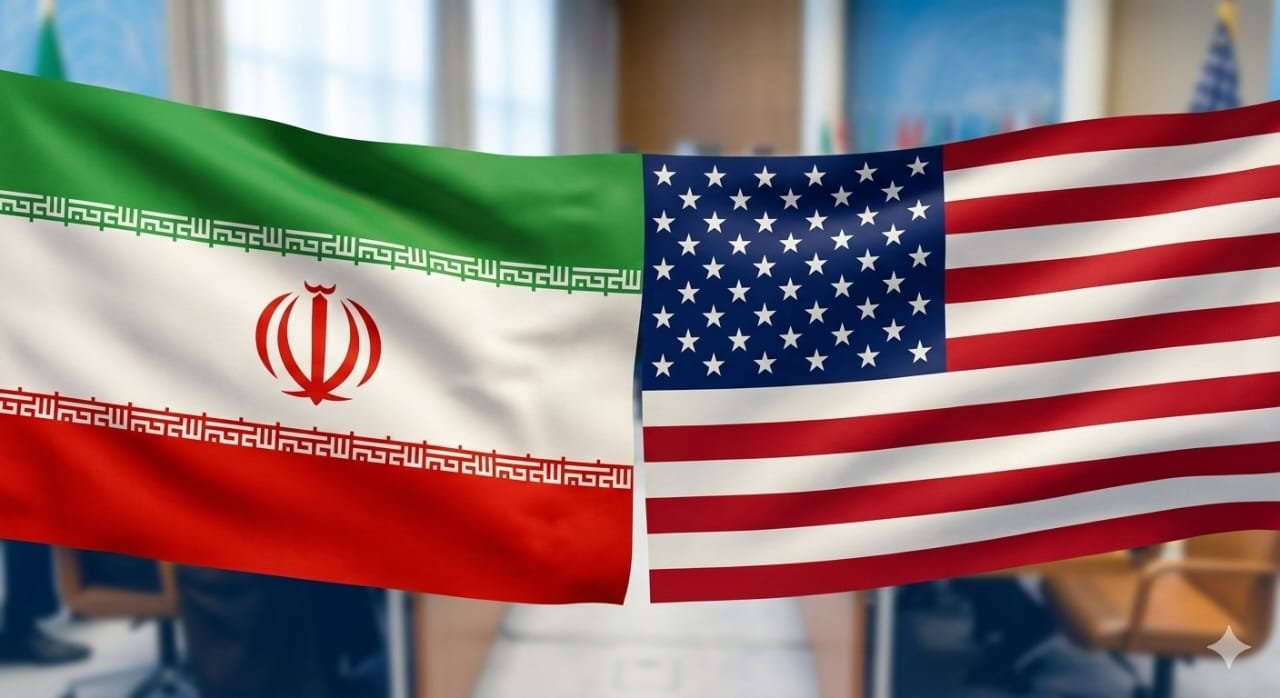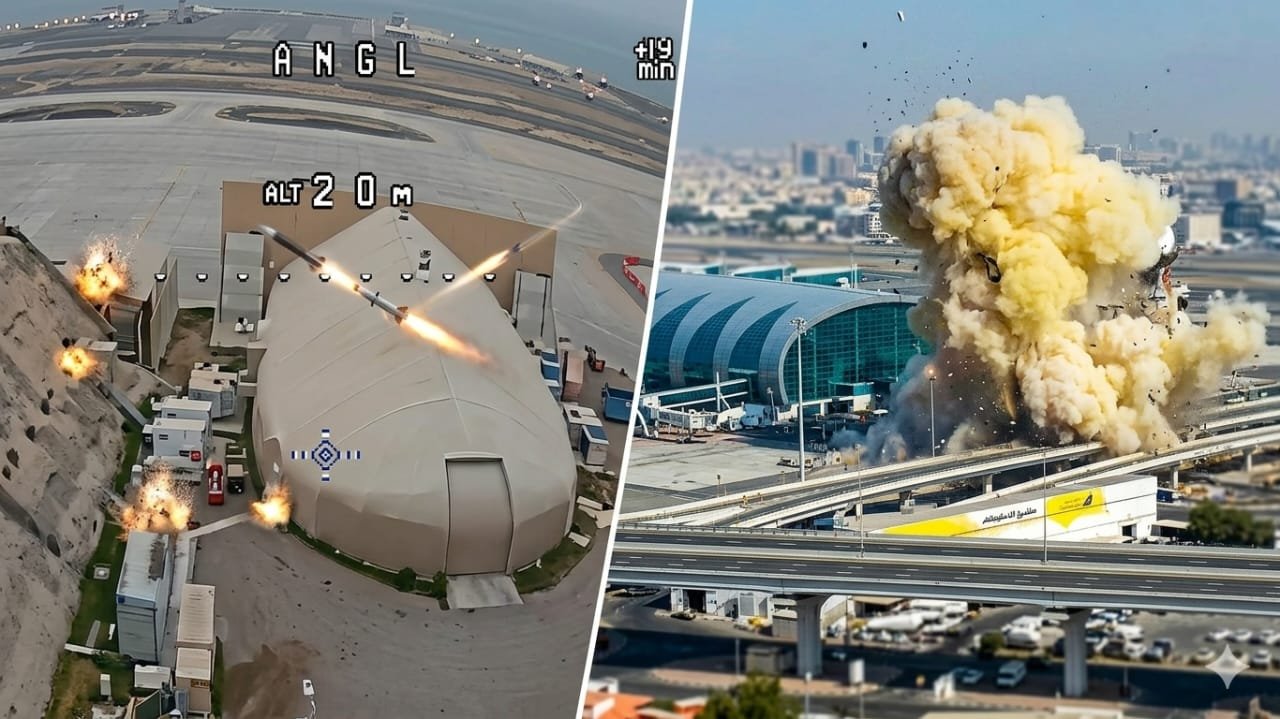


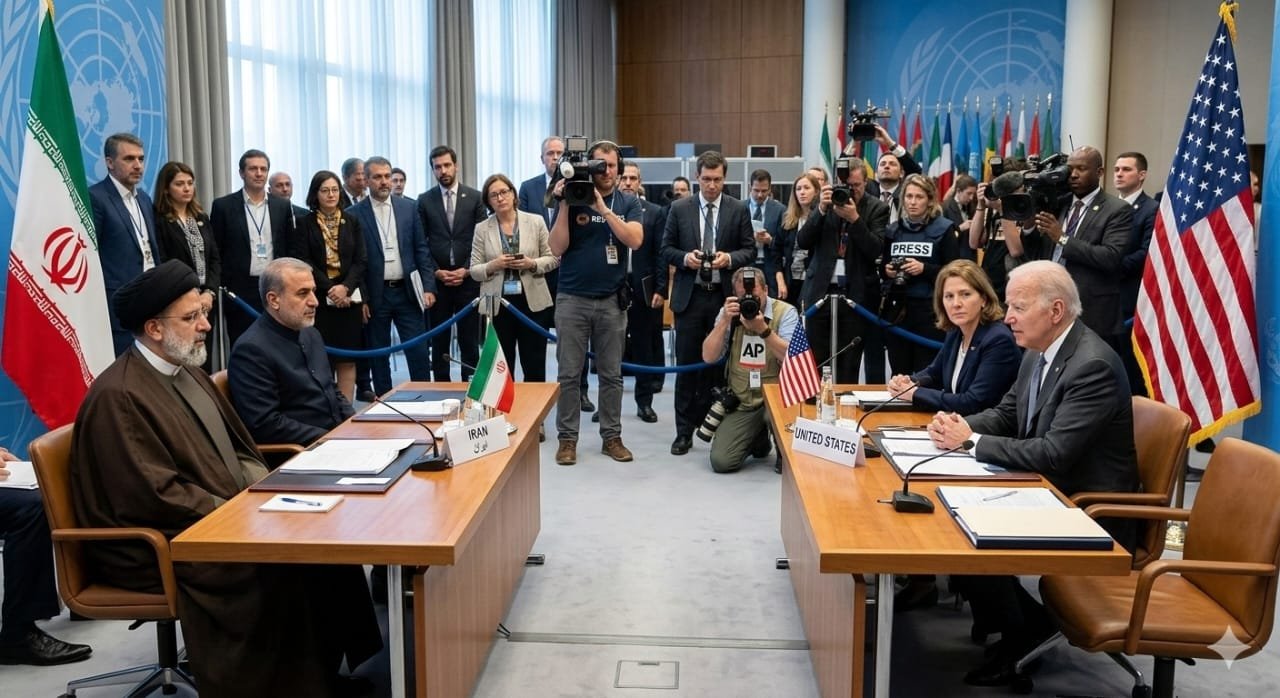
The ongoing conflict between Iran and the U.S.-Israel alliance in the Middle East has shaken both regional and global politics. Attempts to broker a ceasefire have so far proven unsuccessful, with diplomatic deadlock making the path to peace increasingly difficult.
Iran’s Three Conditions for a Ceasefire
Iran has set three key conditions for a ceasefire:
1.Compensation for Damages: The U.S. must pay reparations for all damages caused to Iran.
2.Full Withdrawal of Troops: American forces must completely leave the Gulf region.
3.Guarantee of No Future Attacks: The U.S. must provide assurance that it will not engage in any future military action or war against Iran.
Tehran has emphasized that these conditions are mandatory and that no permanent ceasefire is possible without them.
U.S. Stance
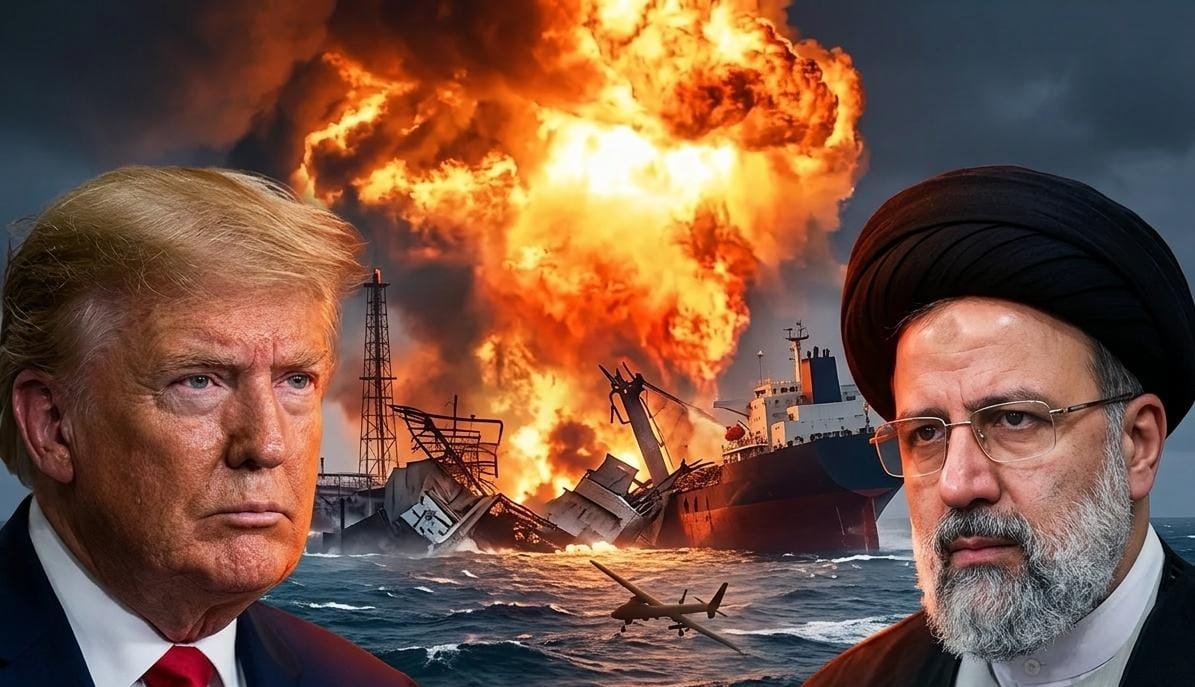
Former U.S. President Donald Trump has rejected current ceasefire efforts in the Middle East. He stated that America’s priority remains strategic security and strengthening its alliances rather than immediately halting the conflict.
Analysts note that while there have been some signals of contact between the U.S. and Iran, deep mistrust and political instability have prevented any concrete progress in negotiations.
Statement from Iranian Foreign Minister
Iranian Foreign Minister Abbas Araghchi stated that a formal ceasefire request was never made to the U.S. He added that attacks by the U.S. during negotiations caused opportunities for dialogue to be lost. Araghchi reiterated that Iran is prepared to defend itself and will respond to any aggression.
Pakistan and Saudi Arabia’s Peace Efforts
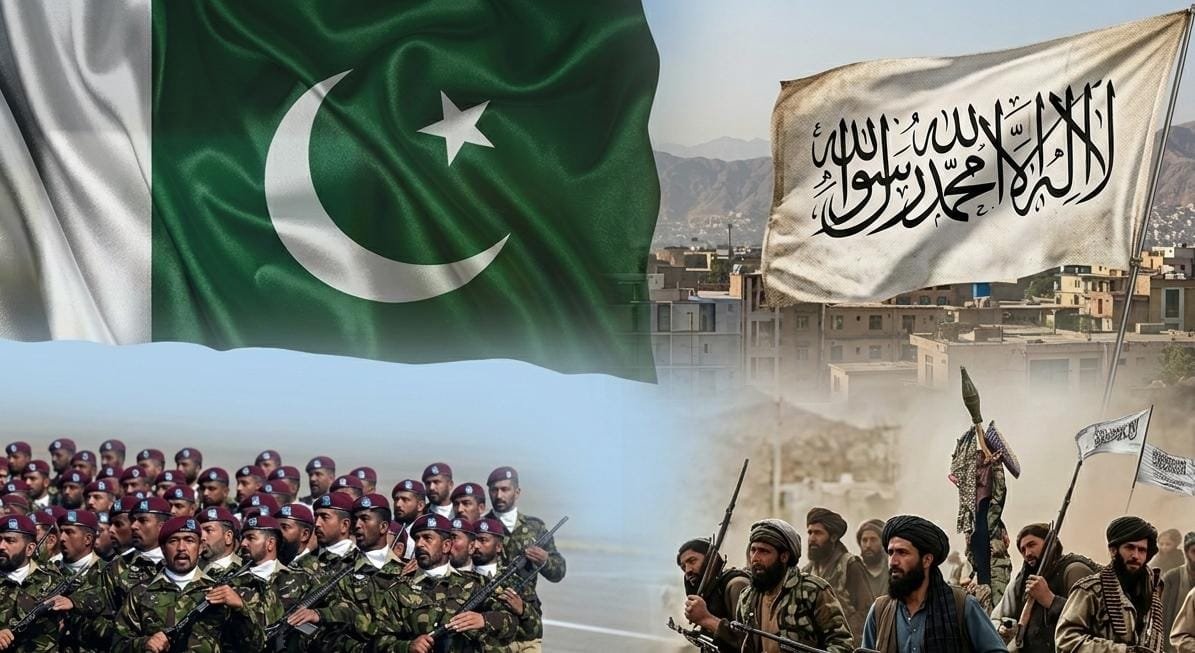
Meanwhile, Pakistan and Saudi Arabia have announced active roles in reducing tensions and promoting peace in the Middle East. Both countries believe that immediate diplomatic engagement is essential to manage the crisis and prevent future conflicts.
Challenges to a Ceasefire
A temporary ceasefire between Iran and Israel last June affected regional oil routes and global oil supply. However, current disagreements and mutual distrust have reduced the prospects of a lasting ceasefire.
Impact on Oil Markets and Global Economy
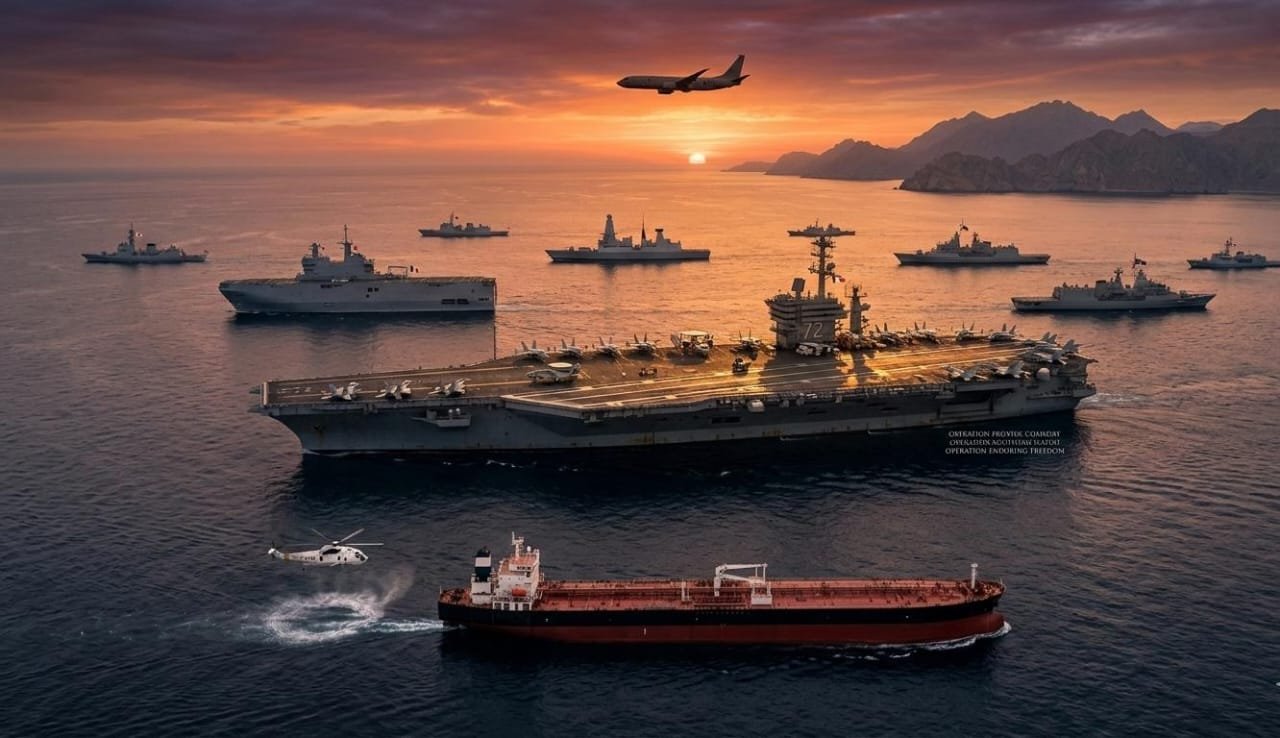
The Iran-U.S. conflict has disrupted the Gulf’s key oil route, the Strait of Hormuz, creating bottlenecks in global oil supply and causing significant price fluctuations.
Iran is seeking more than just a formal ceasefire; it demands guarantees for its security and international respect. Meanwhile, the U.S. remains focused on its strategic priorities rather than ending the war immediately. Regional initiatives from Pakistan and Saudi Arabia could play a critical role in fostering dialogue and supporting peace efforts.
For now, the road to a ceasefire remains fraught with challenges, as Iran’s conditions, U.S. rigidity, and regional pressures continue to complicate prospects for lasting peace.