

On the seventh day of joint US-Israel air operations, Iran’s capital Tehran and other major cities have experienced some of the heaviest bombardments yet. According to media reports, the attacks mark the fastest and most extensive assault so far, with residential areas, hospitals, schools, and cultural sites also coming under fire.
Heavy Explosions and Civilian Casualties
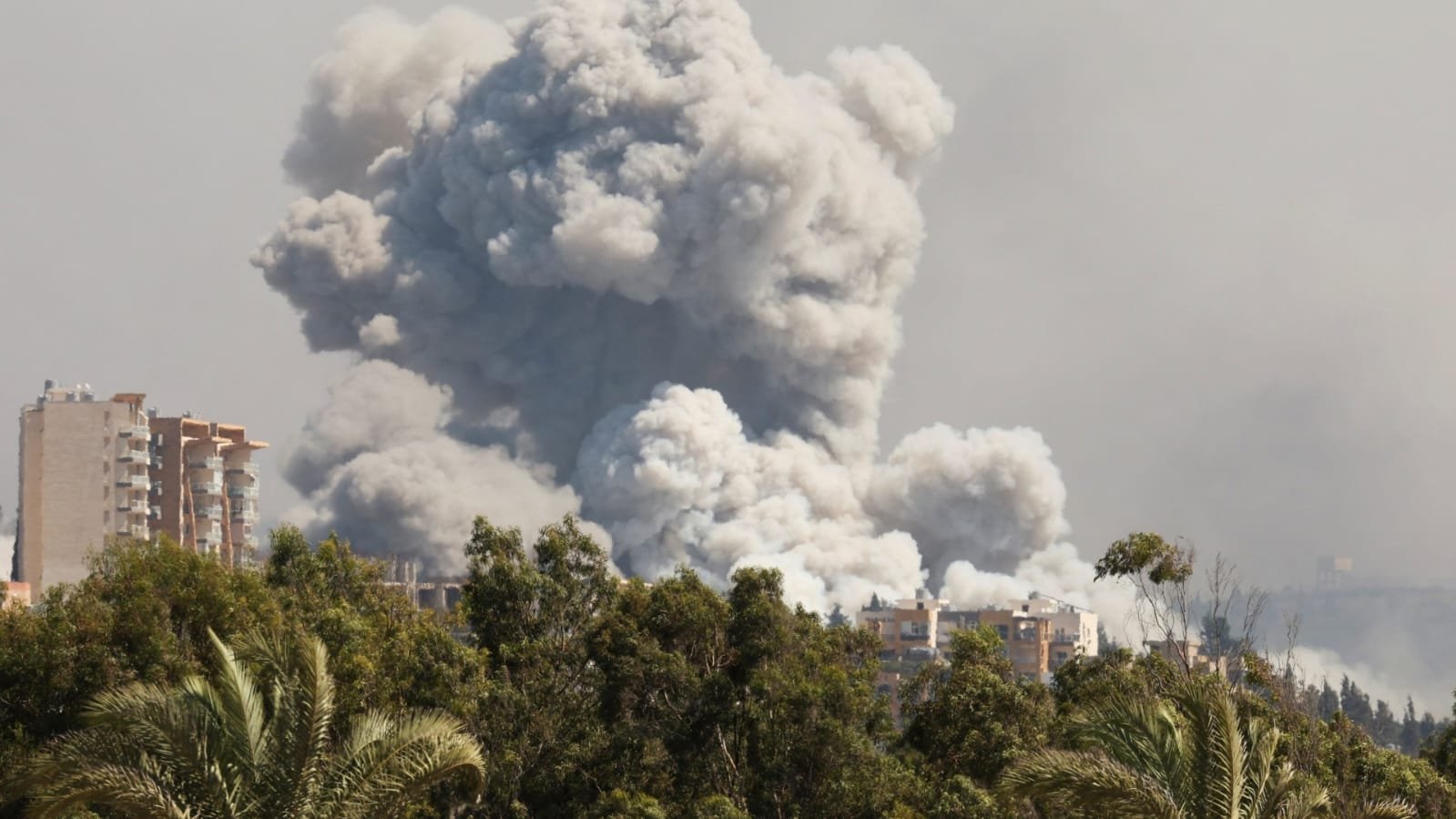
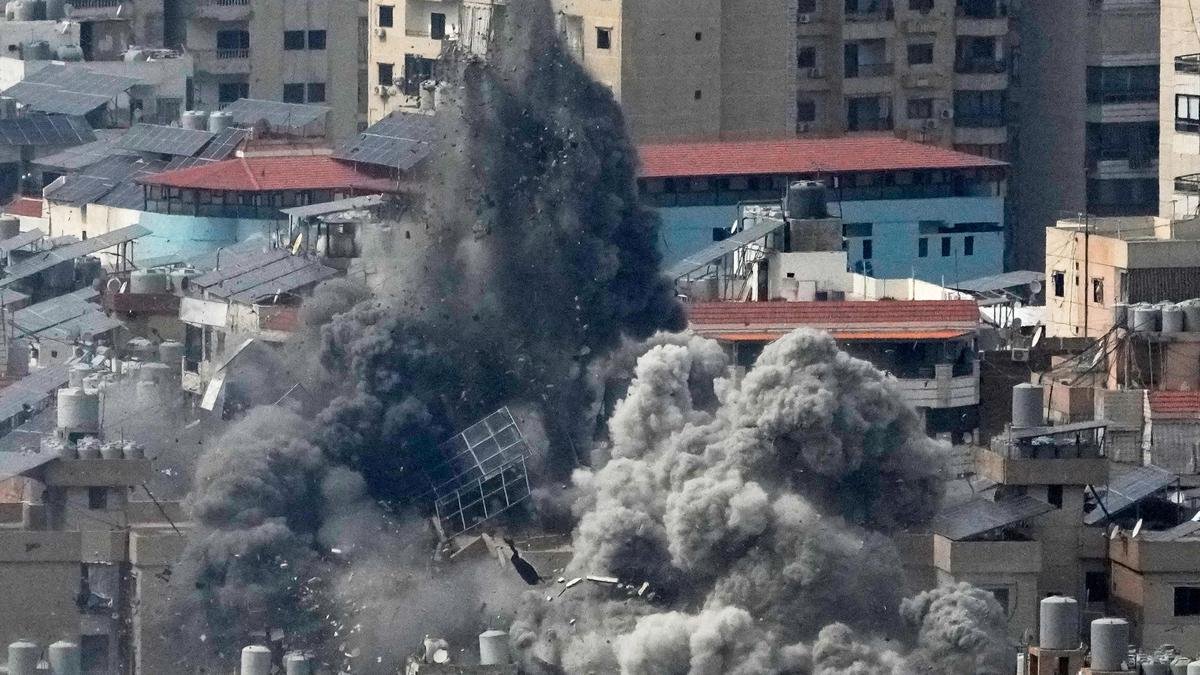
Massive explosions shook Tehran, particularly in areas such as Pastor Street, university campuses, and sensitive government zones. The blasts were heard across the city, and plumes of smoke blanketed the capital.
Iranian government and Red Crescent sources report that at least 1,332 people have been killed, including 181 children. In Minab, a primary school for girls was hit, resulting in the deaths of 175 children.
Joint Operation “Epic Fury”
The US and Israel have intensified attacks under Operation “Epic Fury”, targeting Iran’s missile bunkers, military bases, and command centers. B-2 bombers reportedly dropped “bunker-busting” bombs on deeply buried ballistic missile launchers. Israeli forces also carried out large-scale airstrikes across Tehran and other sensitive locations.
Iran’s Response
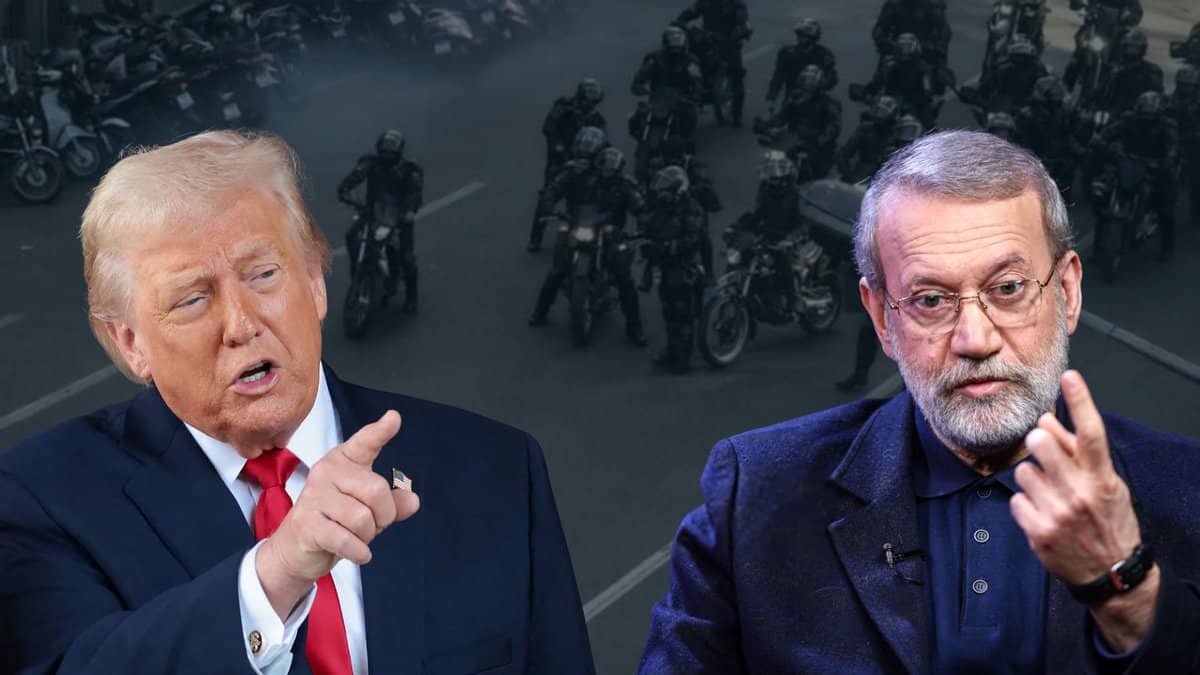
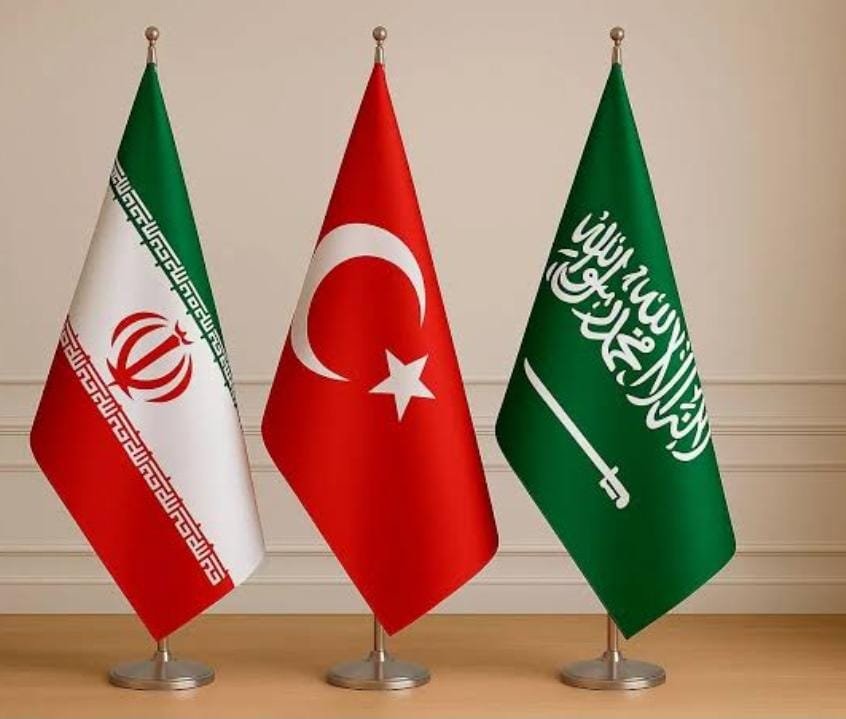
The Iranian military has launched a new wave of missile and drone attacks, targeting US and Israeli positions in Kuwait, Qatar, Saudi Arabia, and Bahrain. Ali Larijani, Secretary of Iran’s Supreme National Security Council, warned that the country is fully prepared for any potential US ground assault.
Regional and Global Impact
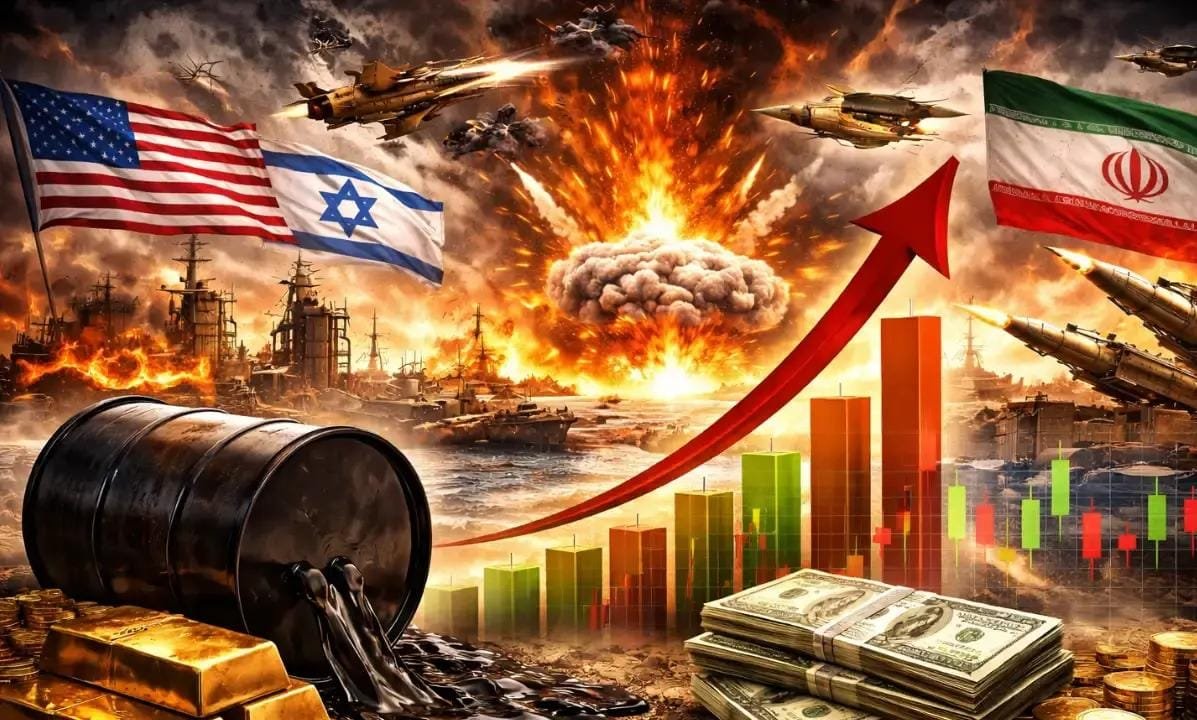
Fighting continues between Hezbollah and Israeli forces in southern Lebanon. Maritime traffic through the Strait of Hormuz has stalled, disrupting global oil and gas supplies. Hospitals and healthcare centers in Tehran and other cities have also been affected. The World Health Organization (WHO) confirmed attacks on several medical facilities, reporting four health workers killed and 25 others injured.
Statements from the US and Iran
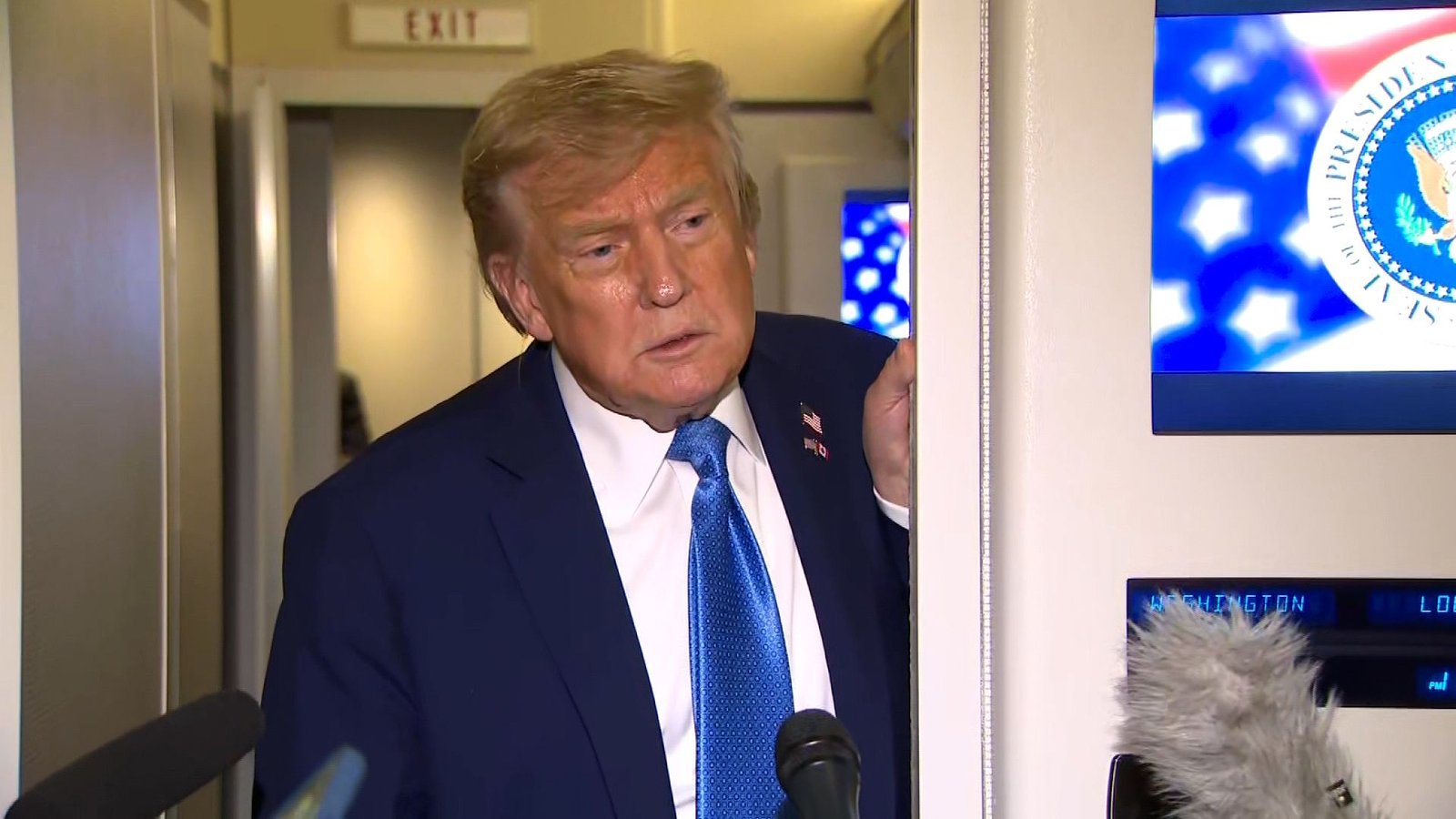
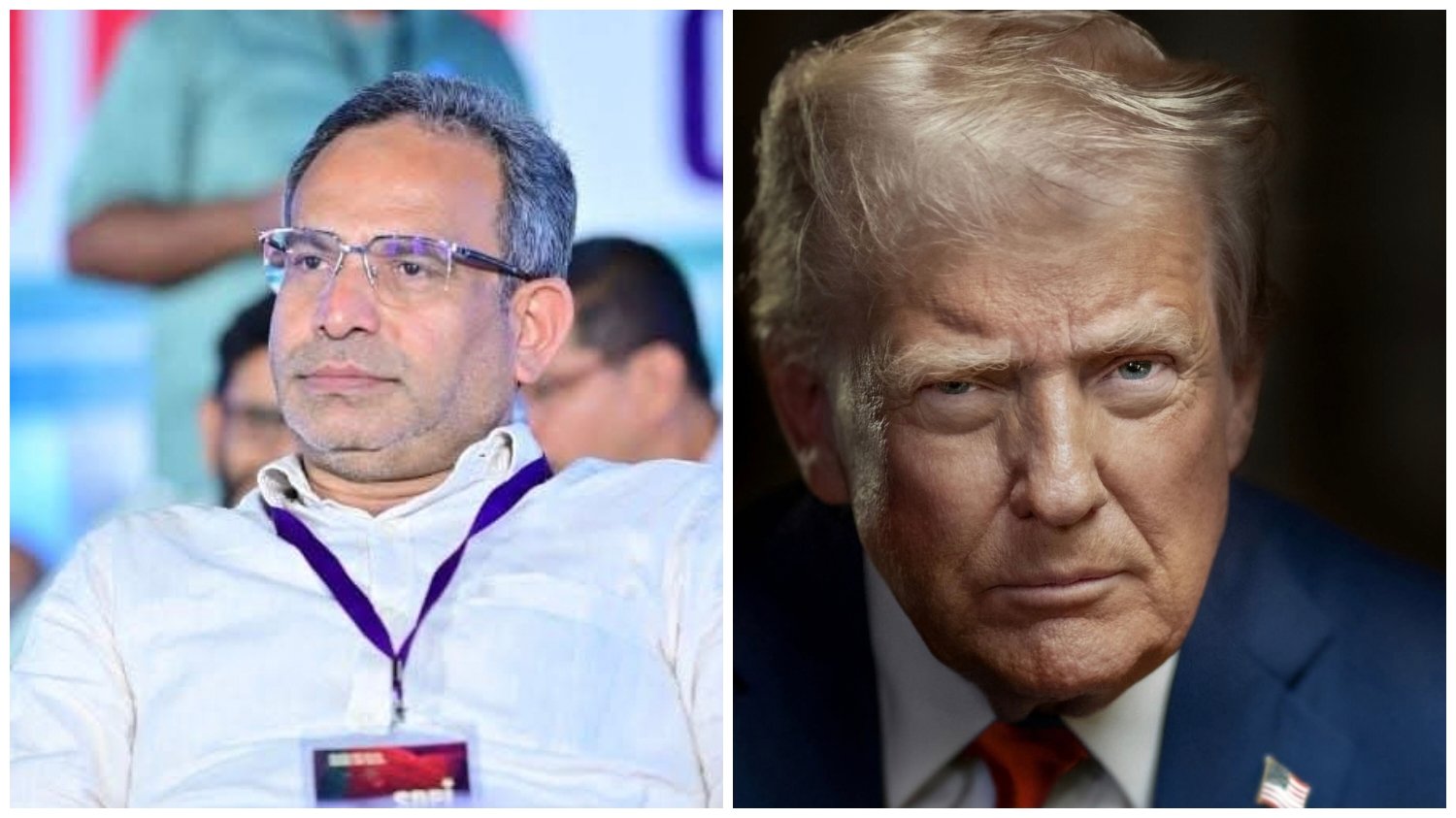
Former US President Donald Trump described deploying troops on the ground as a “waste of time,” while Iran asserted full control over its airspace and readiness for war. US Senator Lindsey Graham called the conflict a decisive moment for the Middle East that could shape the region for the next thousand years.
Cause of the Conflict and Global Concerns
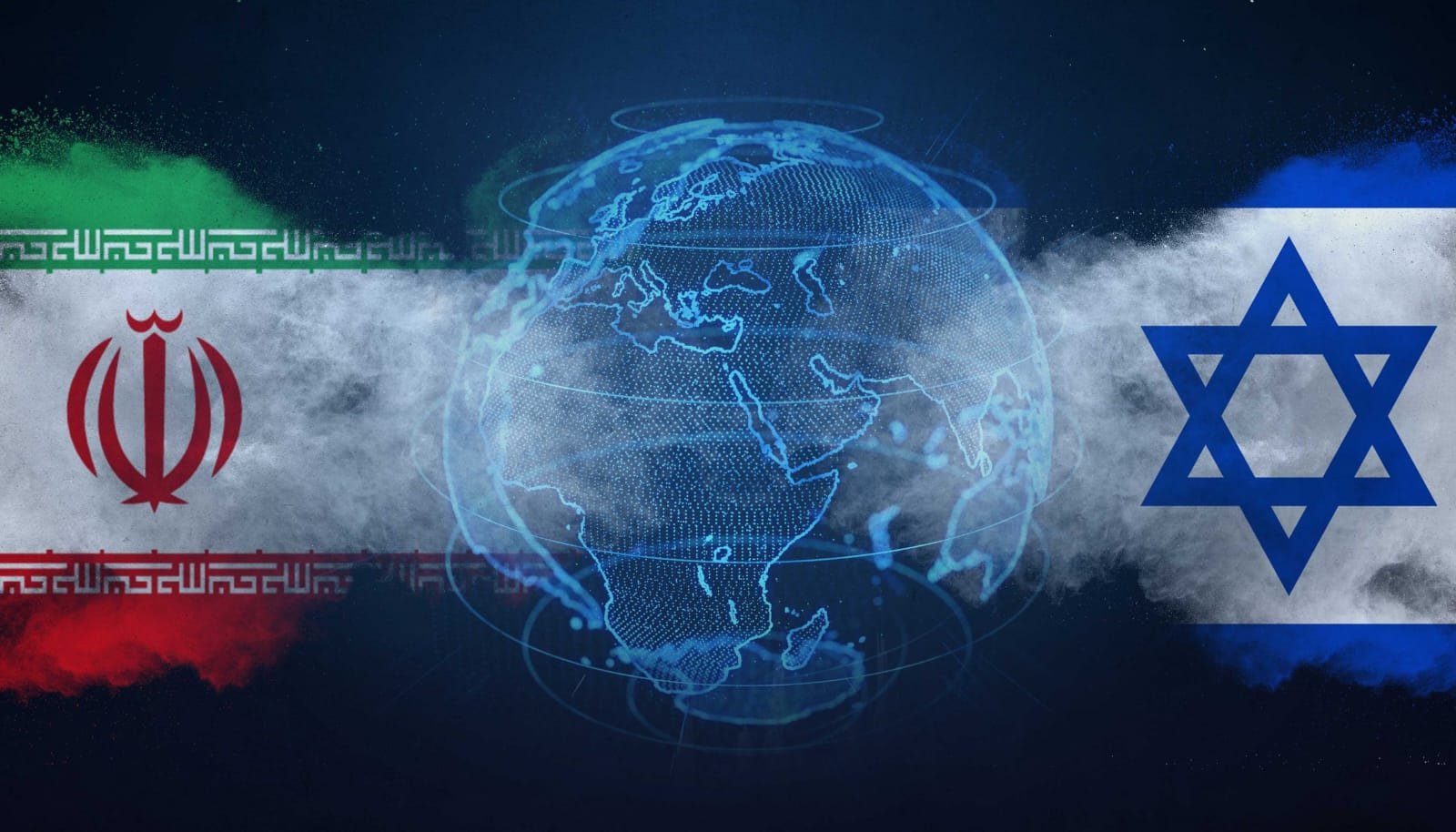
The US and Israel claim that Iran’s military and nuclear programs pose a growing regional threat. Iran, however, frames its actions as a defense of national sovereignty and security. The ongoing conflict is severely affecting Middle Eastern allies and disrupting global energy networks.