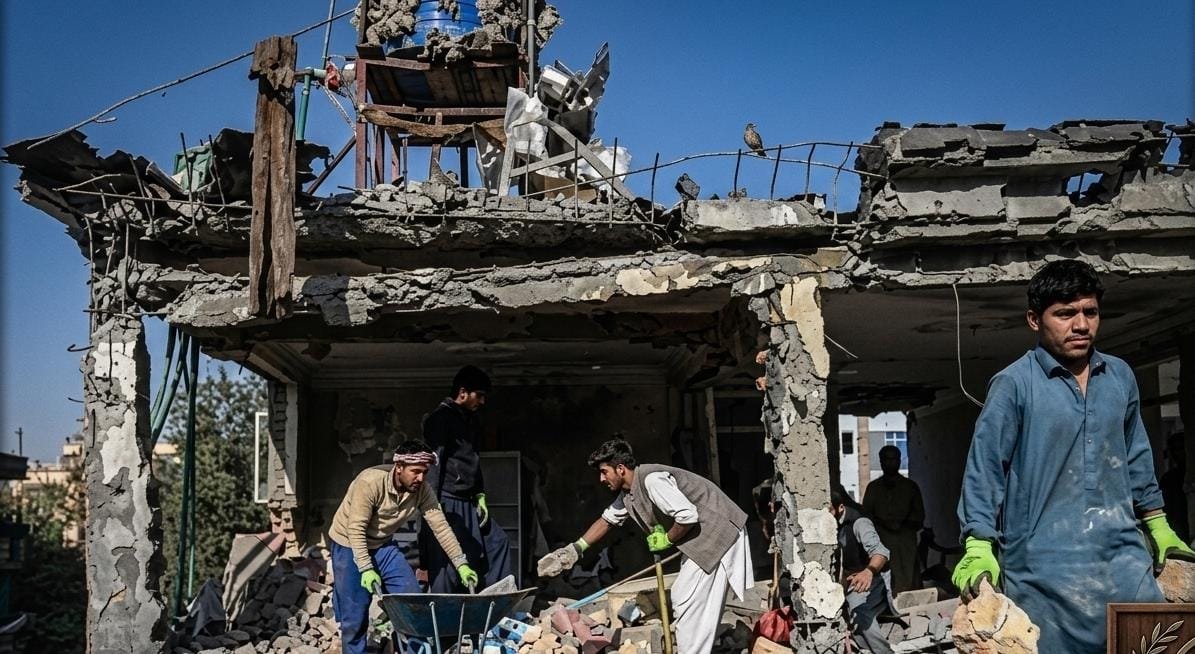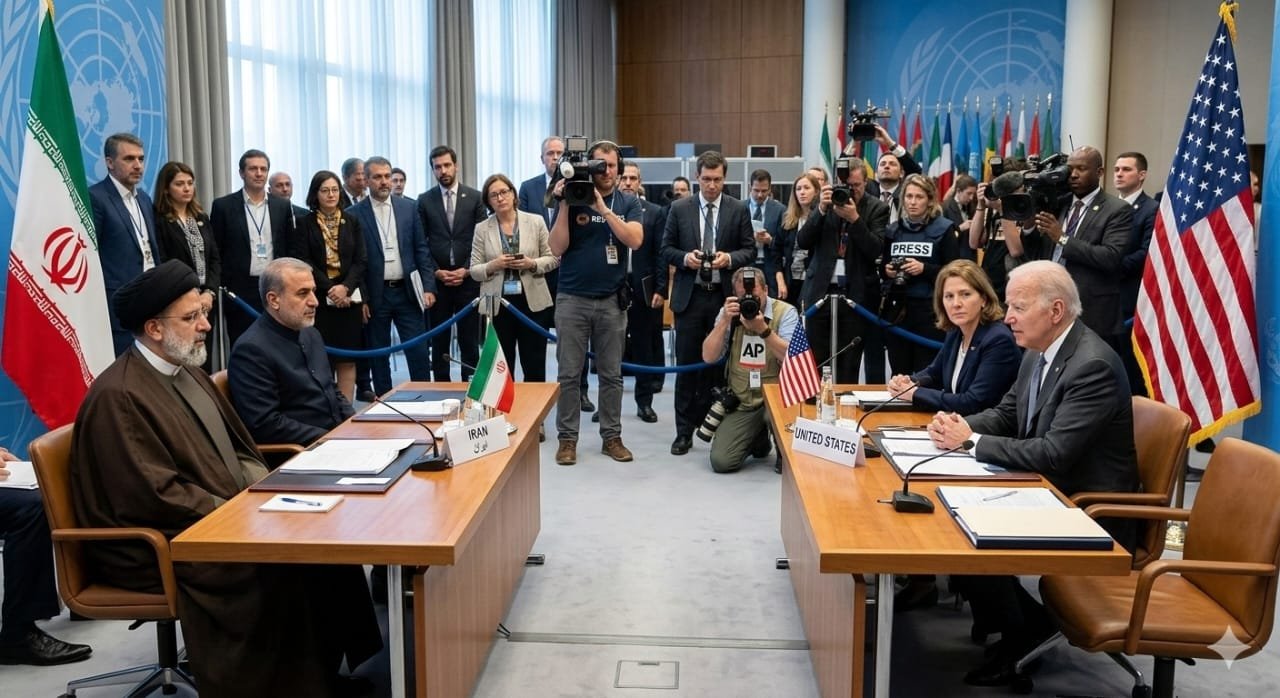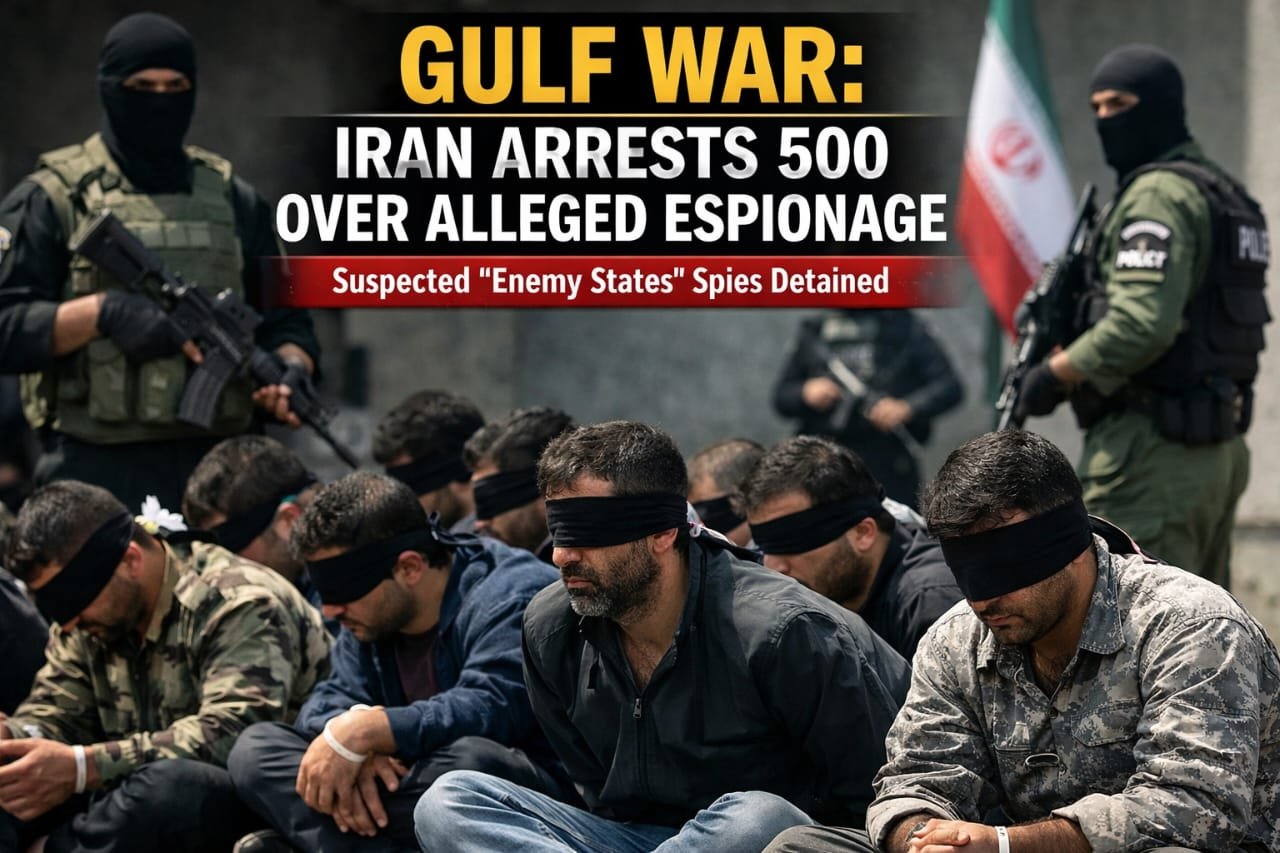


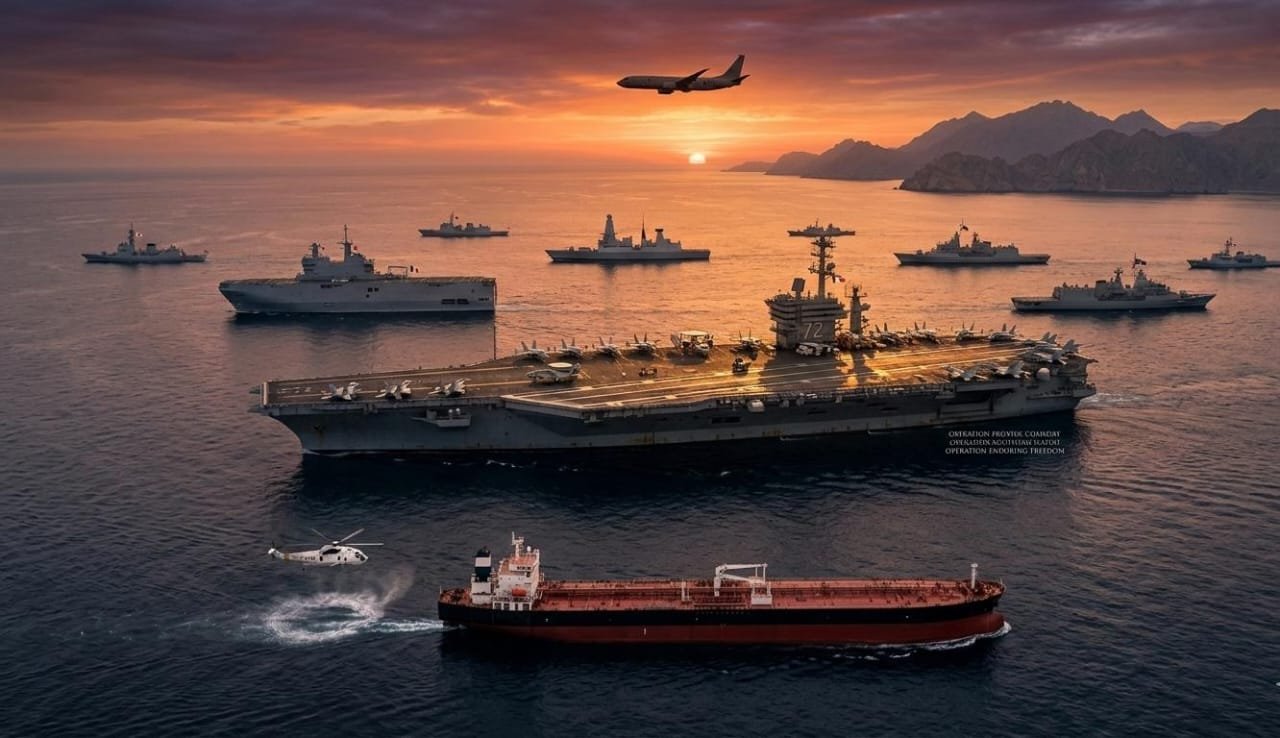
The escalating tension between Israel and the United States in the Middle East has put the world’s most crucial maritime route, the Strait of Hormuz, at risk. Handling nearly 20% of the world’s oil supply, any disruption in this passage has already caused volatility in global energy markets.
Trump’s Call, the World’s Silence
U.S. President Donald Trump called on seven countries—including China, France, Japan, South Korea, and the United Kingdom—to form a naval convoy to safeguard American and allied interests. Trump emphasized that the Strait must remain “open and secure” and cannot be blocked by any nation.
However, Trump’s appeal has met with silence. Japan and Australia have clearly stated they will not deploy warships. Australian Minister Catherine King reiterated that her country will not participate in the conflict. Trump also noted that assistance from Ukraine was unnecessary, rejecting an offer to involve President Volodymyr Zelensky.
Dialogue Between China and the U.S.
U.S. Energy Secretary Chris Wright stated that discussions are ongoing with China and other nations, hoping China will play a collaborative and constructive role. China responded that it is the responsibility of all parties to maintain stable and unobstructed energy supply.
Iran’s Position
Iran clarified that the Strait of Hormuz remains open for all nations, but is effectively blocked for the U.S. and its allies. Iranian Foreign Minister Abbas Araghchi said multiple countries have sought safe passage, but final decisions lie with the Iranian military.
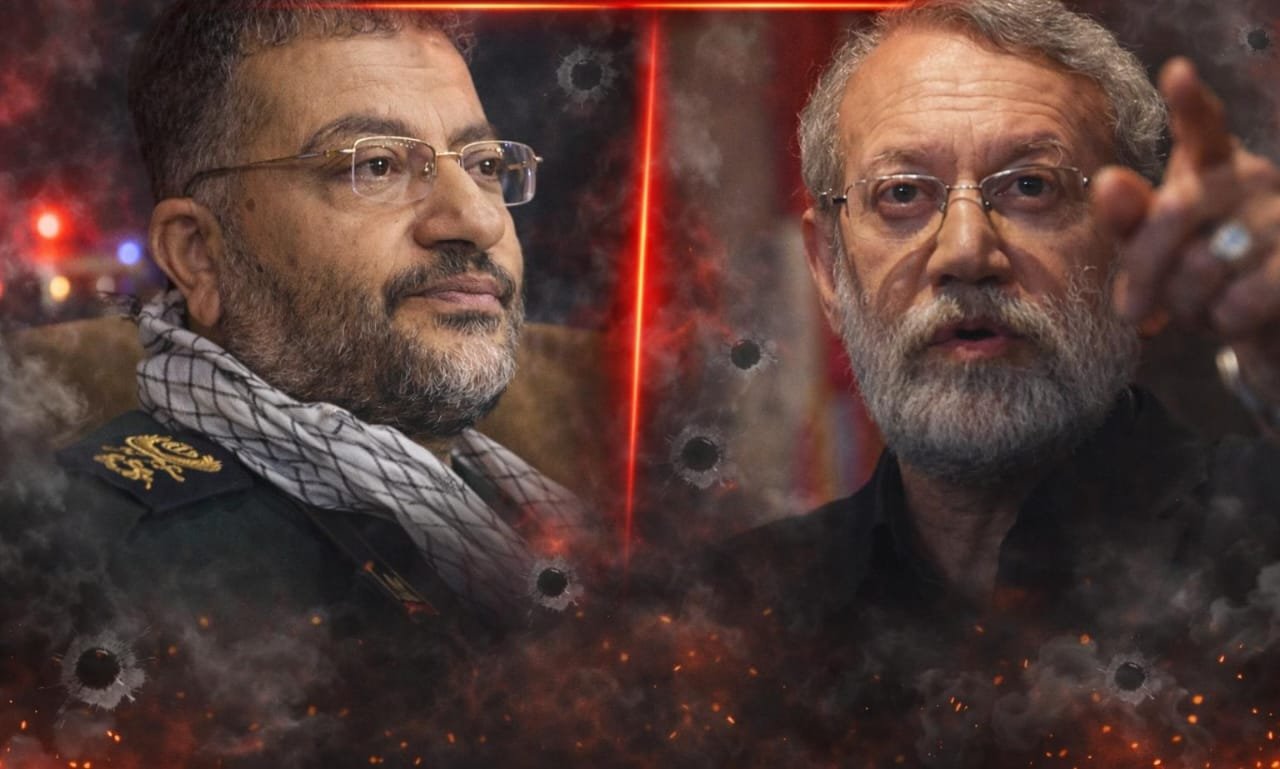
Brigadier General Ali Mohammad Naini of Iran’s Revolutionary Guards challenged Trump, stating that if U.S. claims about Iran’s naval weakness are true, the Americans should send ships to prove it in the Gulf.
Europe’s Stance
France stated it is considering an international mission but would act only if “conditions are appropriate.” Germany expressed skepticism about the plan, while Italy clearly ruled out participation or any action against Iran.
India’s Diplomatic Efforts
India has taken a diplomatic approach. External Affairs Minister S. Jaishankar confirmed that talks with Iran secured a safe passage for two Indian ships. Jaishankar emphasized that solutions will emerge through dialogue and coordination, with India maintaining neutrality.
Economic and Global Impact
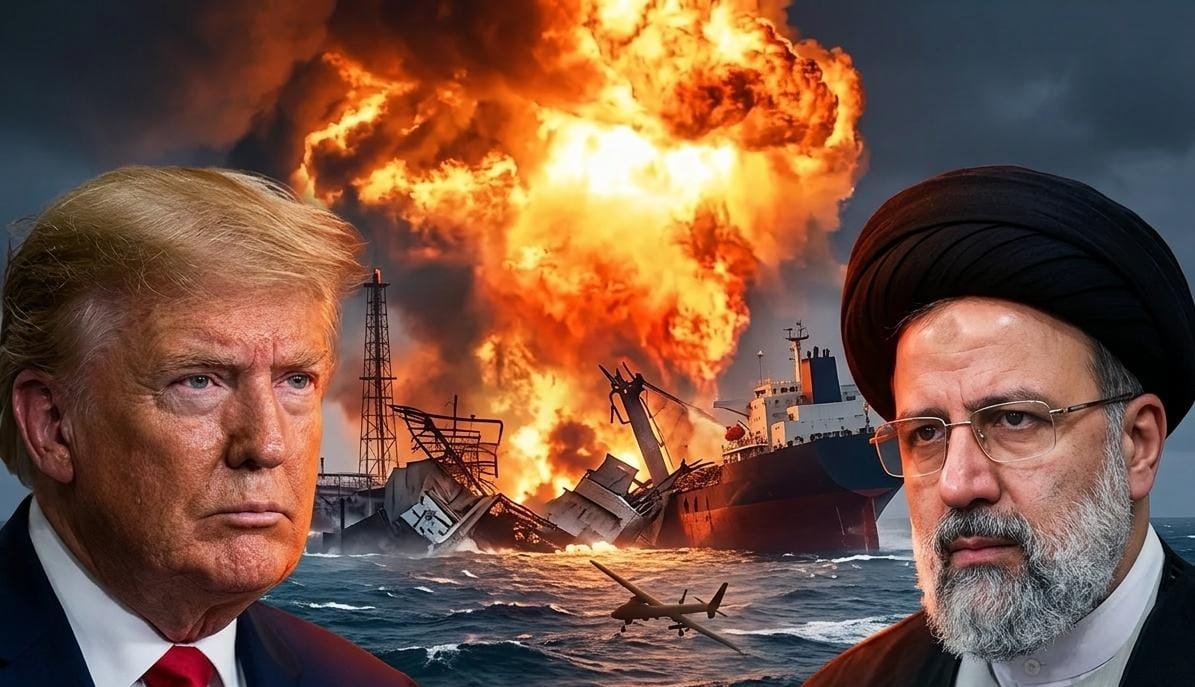
At least 10 oil tankers have been attacked or damaged, with around 1,000 tankers currently trapped in the Strait. Oil prices remain around $100 per barrel. Iran is restricting oil transport only for the U.S. and its allies, while supplying China without interruption.
The ongoing Middle East tensions have now become a focal point for global energy, maritime security, and international diplomacy. With Trump’s appeal unsupported and several nations refusing involvement, the world appears to be leaning toward diplomatic solutions over military escalation. The Strait of Hormuz has thus become more than a maritime route—it is now at the heart of global energy and international politics.