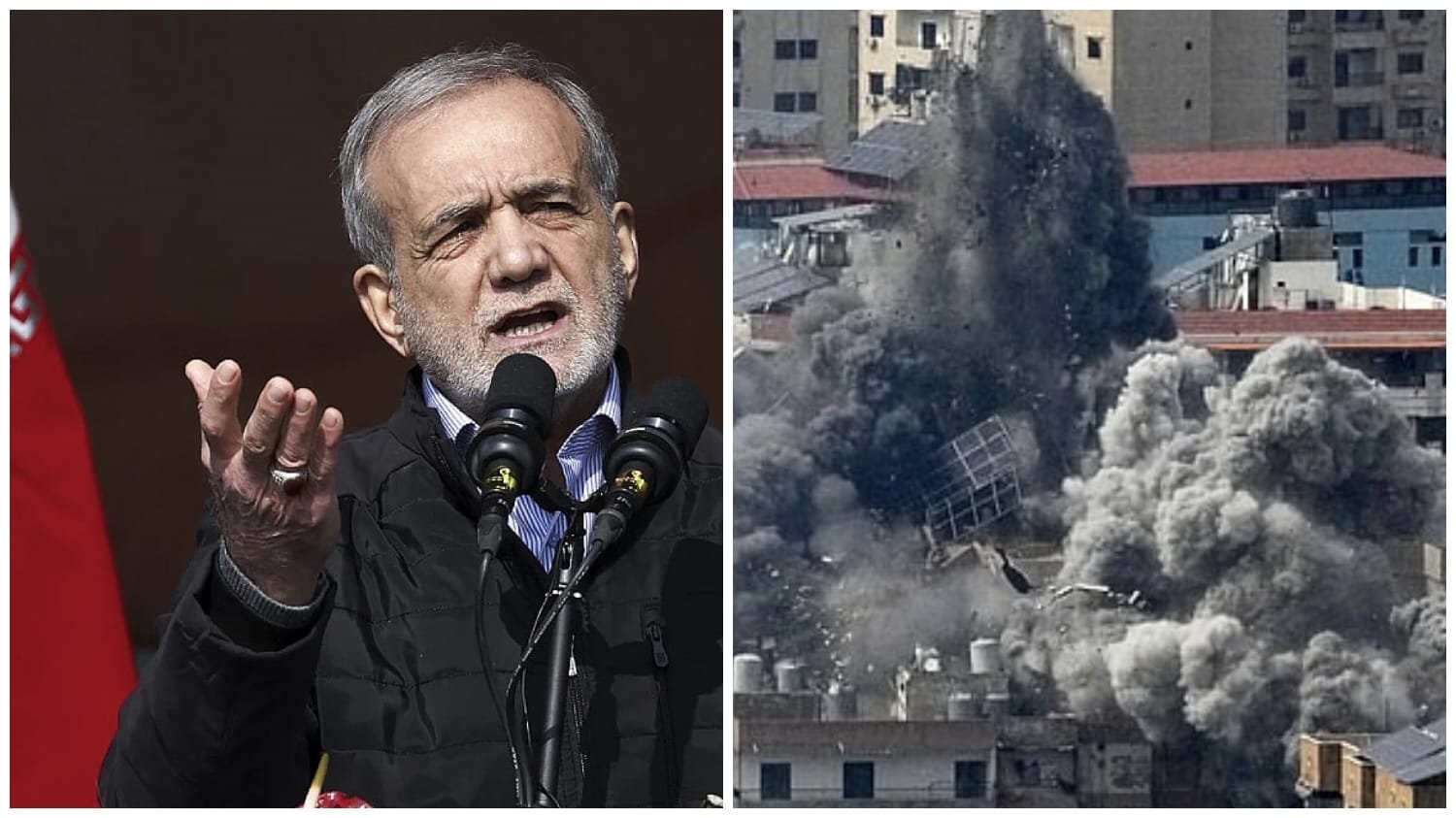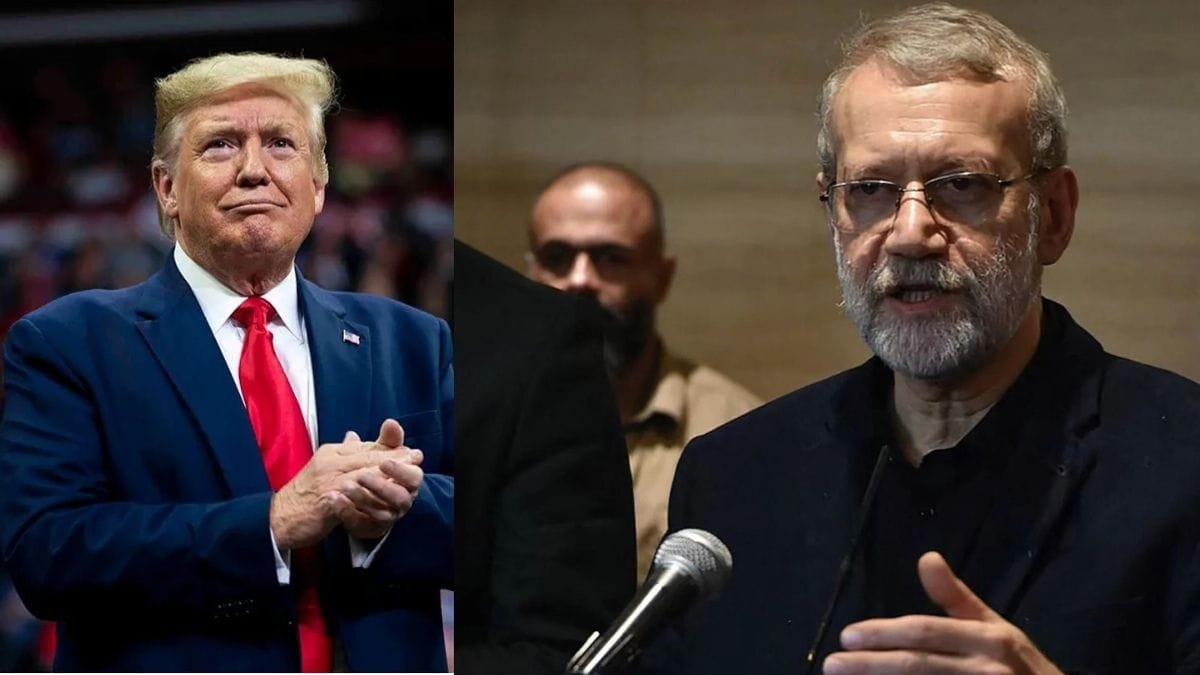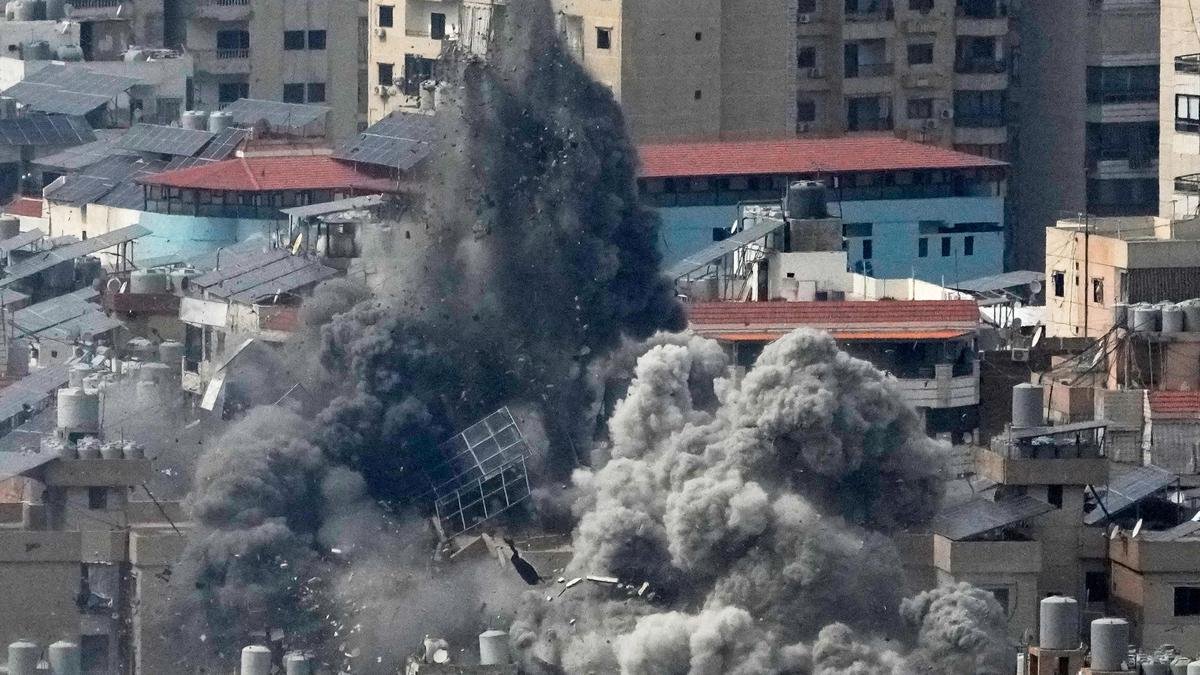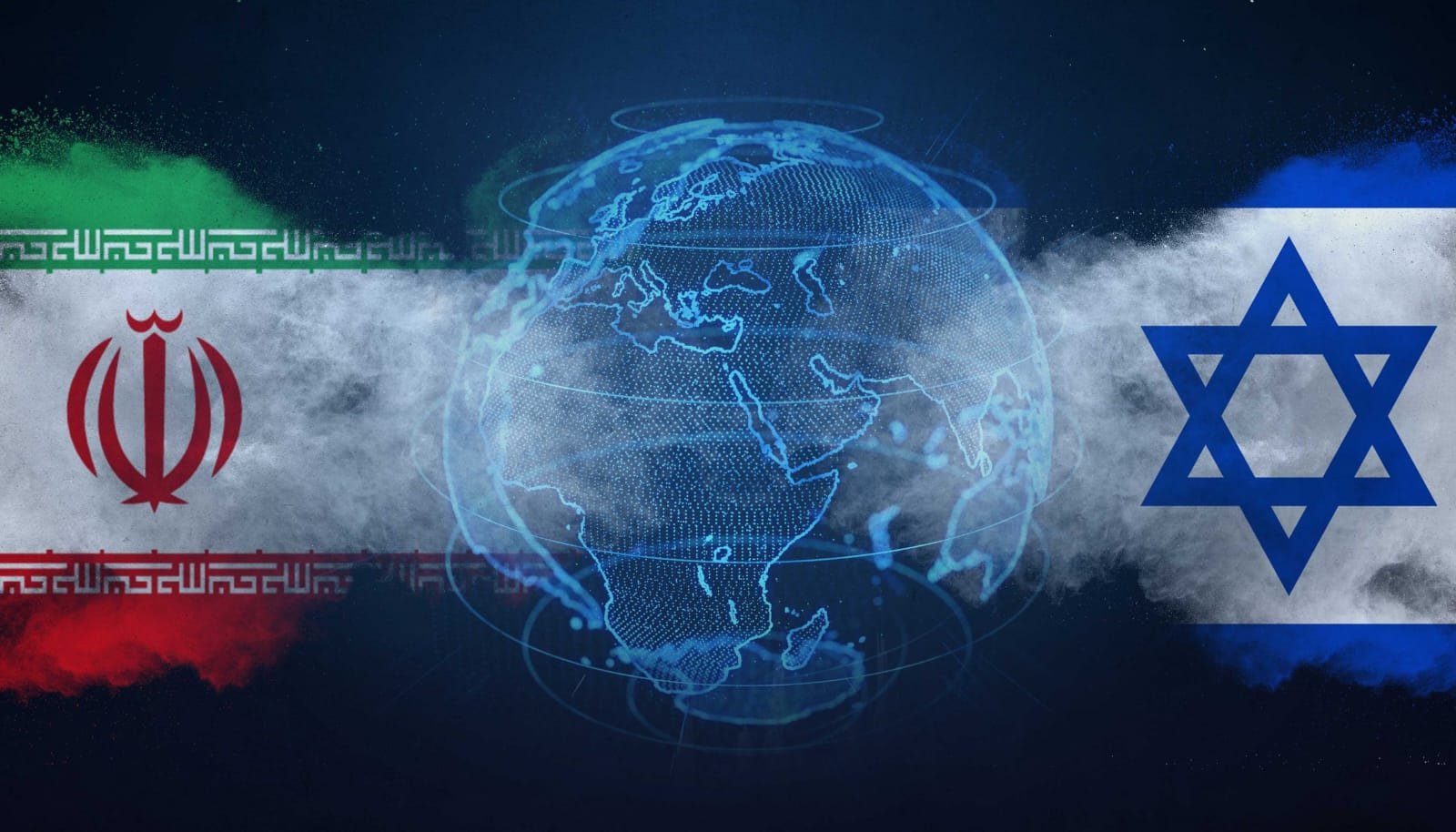



Amid escalating tensions between the United States, Israel, and Iran, wealthy Gulf nations have begun reconsidering their global investment strategies. Experts warn that rising uncertainty could affect global capital flows and financial markets.
Rethinking Investments in the U.S.
According to a report by Financial Times, Saudi Arabia, the United Arab Emirates, Kuwait, and Qatar are evaluating the possibility of limiting or withdrawing large-scale investments and financial agreements in the U.S.
Ongoing regional tensions, a potential decline in energy exports, and rising defense expenditures have prompted Gulf states to reconsider their commitments.
A senior official noted that several contracts contain “force majeure” clauses, which allow for modification of future financial commitments under extraordinary circumstances.
Analysts warn that any reduction in investments could impact not only the U.S. but also global financial markets.
Asian Investors Shifting Funds from UAE
A Reuters report indicates that Asian investors in Dubai are transferring capital to safer financial hubs such as Singapore and Hong Kong.
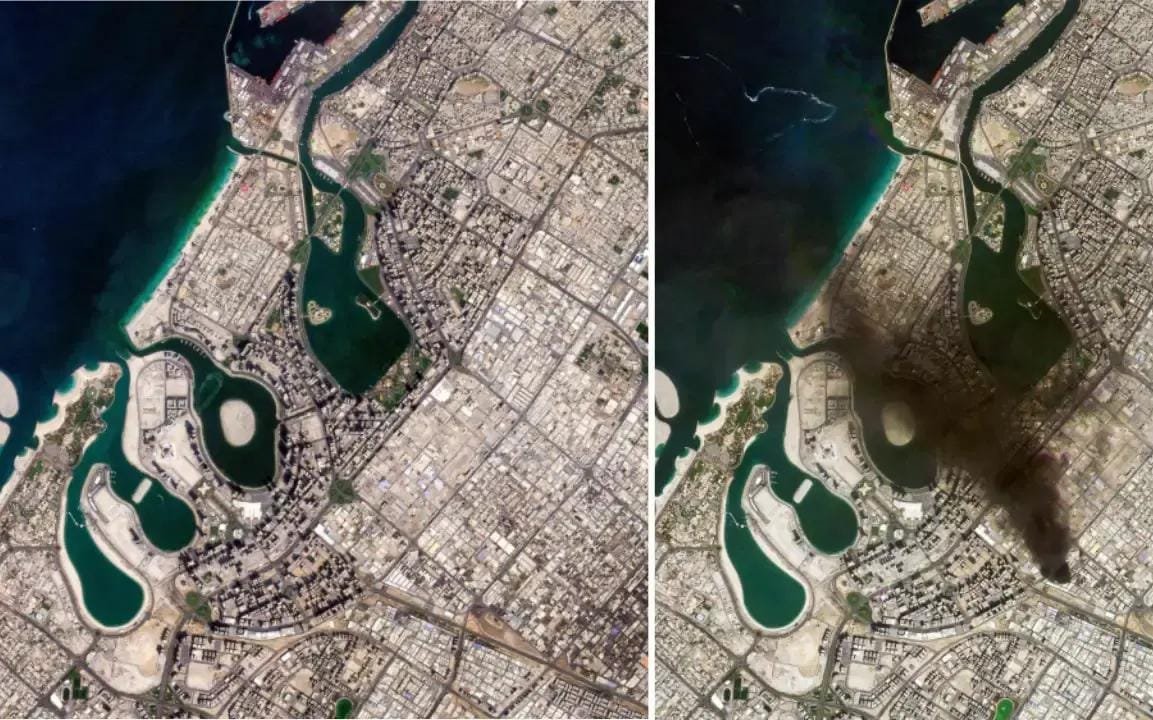
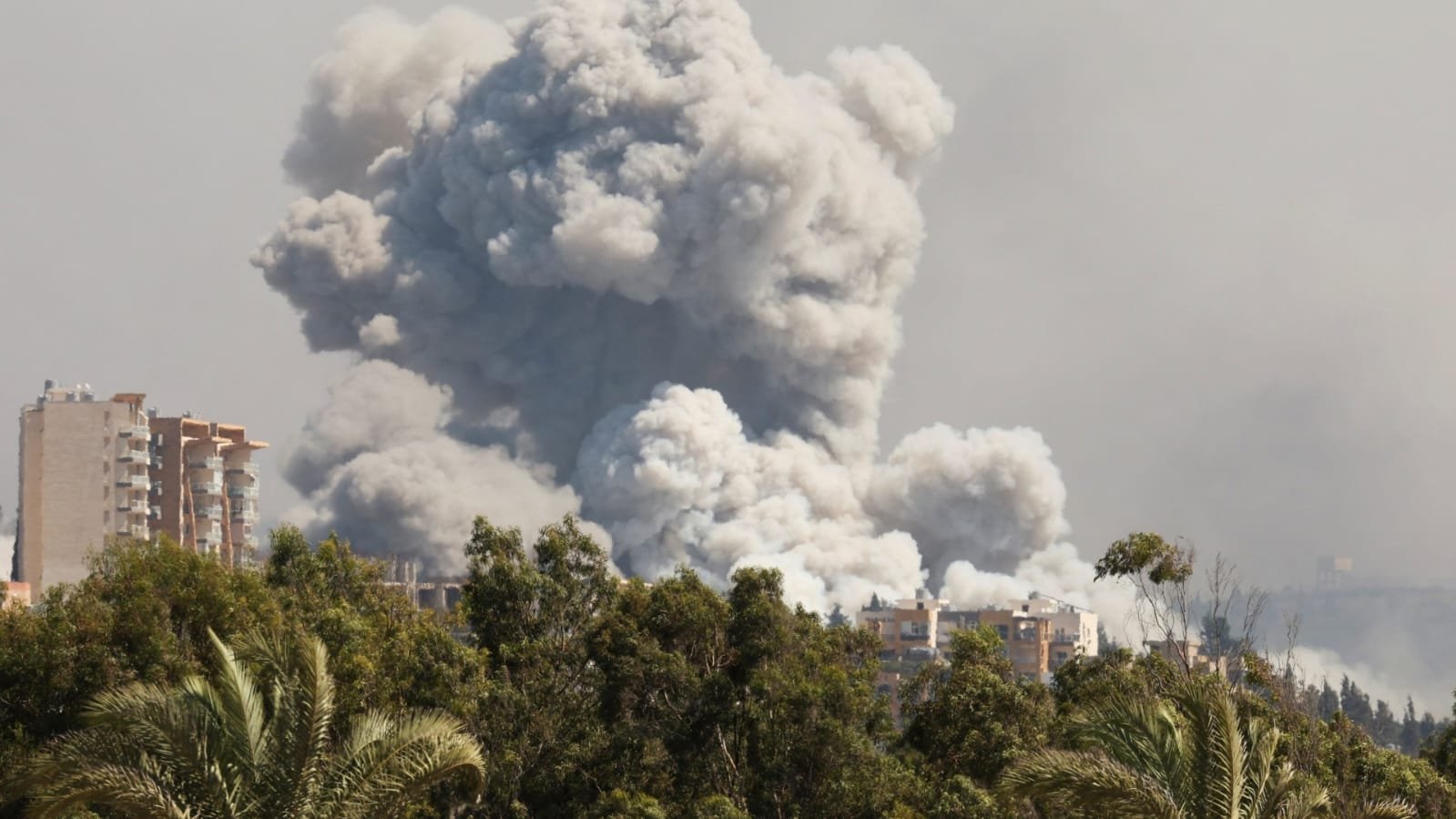
Recent missile and drone attacks by Iran on Dubai and Abu Dhabi have heightened investor concerns.
According to a Singapore-based wealth lawyer, out of 20 billionaire clients in Dubai, six to seven have already planned to move their assets to Singapore.
Investors moving funds say that while tax benefits and policy incentives were previously a priority, security and long-term stability have now become the main considerations.
Market Volatility and Investor Confidence
Experts note that not all investors are acting immediately; many are closely assessing the situation.
The UAE Central Bank has stated that the financial framework remains robust and resilient, capable of maintaining investor confidence.
Analysts emphasize that this trend is driven not only by financial policy but also by broader political instability and perceived war risks, reflecting growing investor apprehension.
Implications for the Global Economy
Any reduction in Gulf investments could significantly impact global capital flows, particularly in energy, technology, and financial sectors.
Experts suggest that investment security has now overtaken tax benefits as the primary concern, likely influencing future global investment decisions.