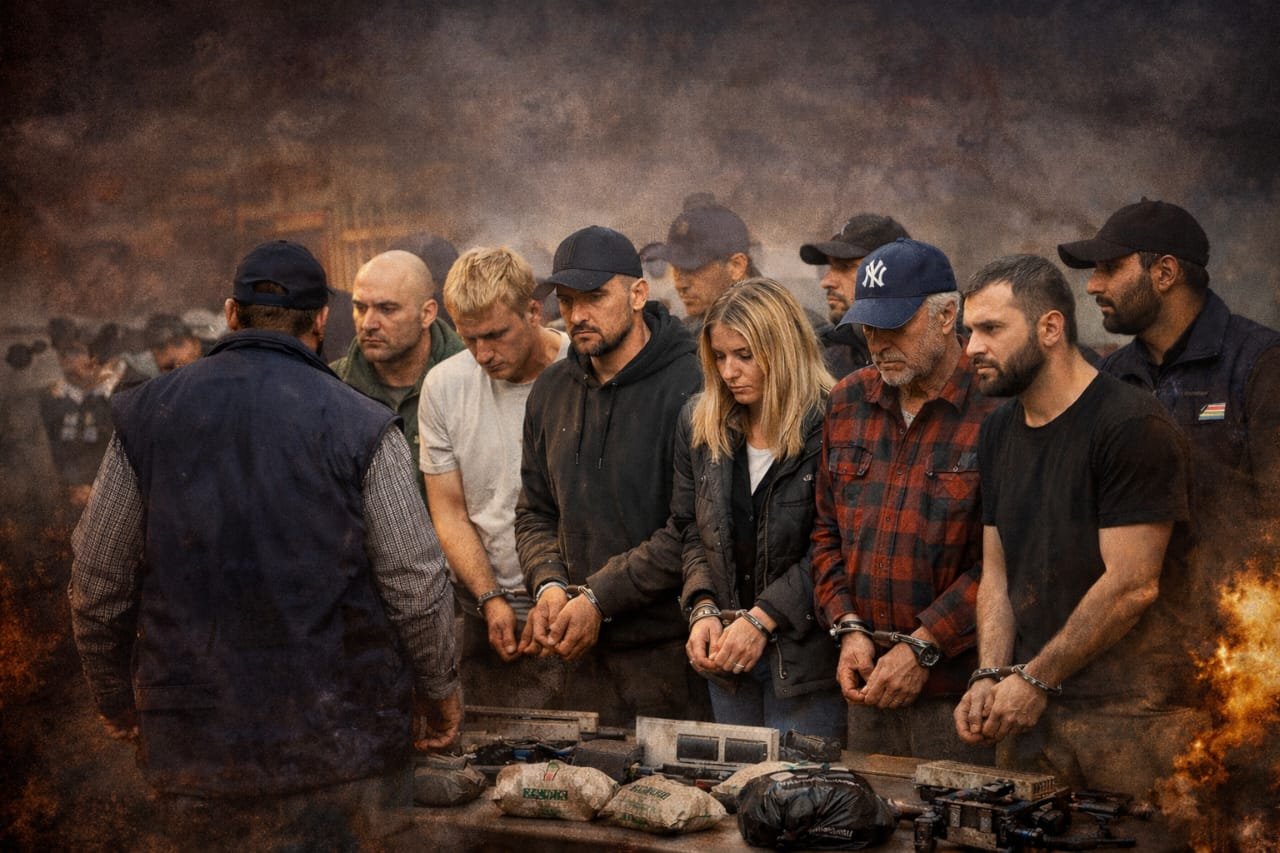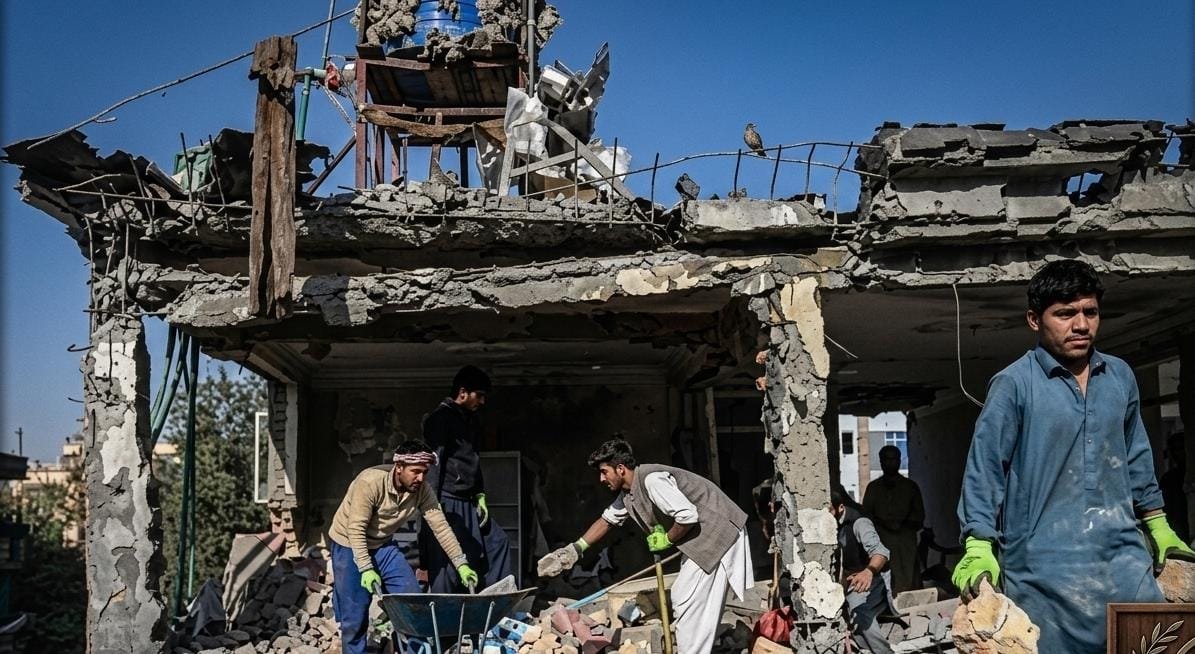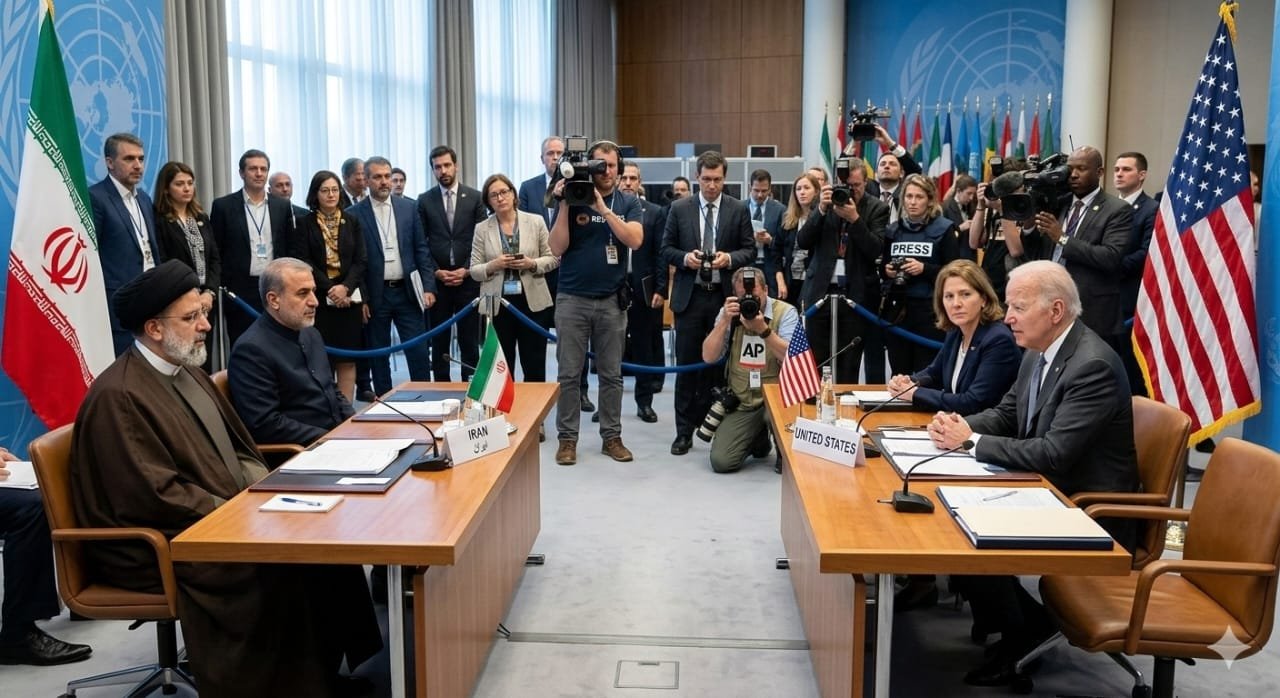


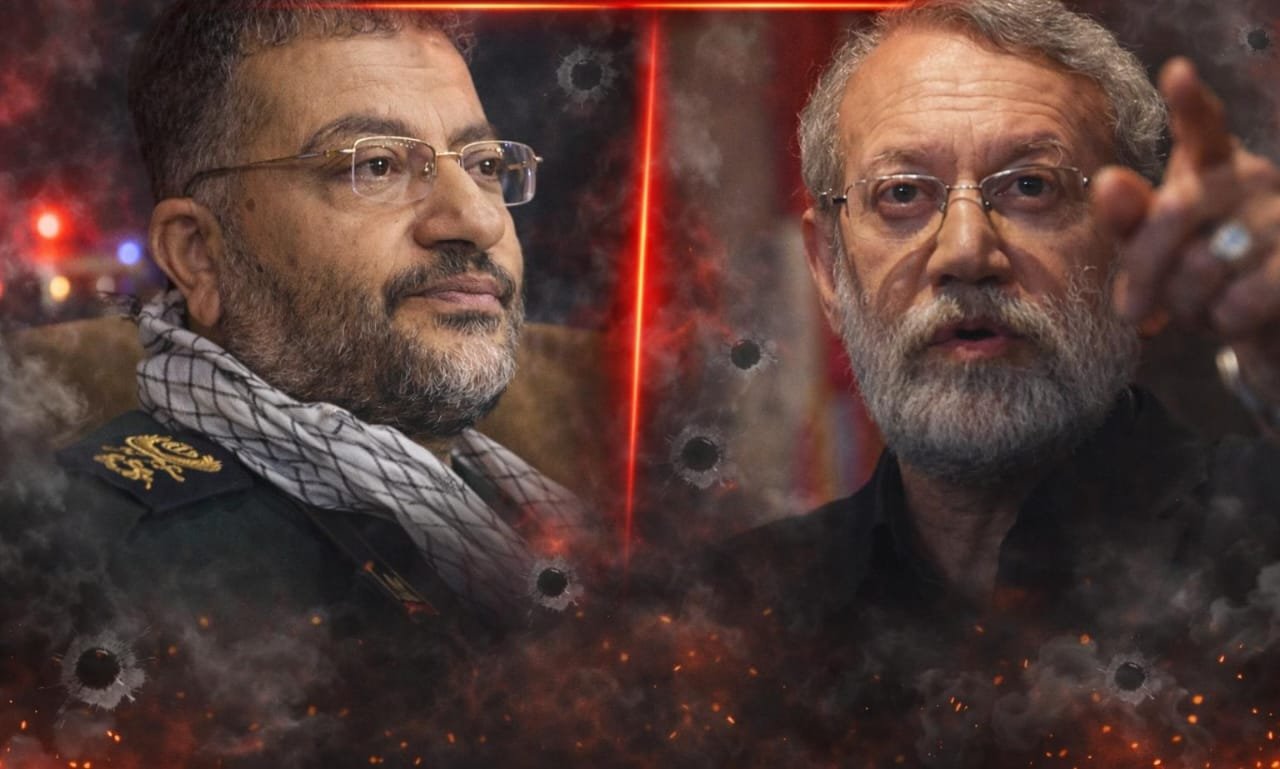
Amid the ongoing conflict in the Middle East, Iran has suffered a major setback. The country has confirmed the killings of senior security official Ali Larijani and Basij force chief Gholamreza Soleimani. The development comes at a time when Israel had claimed responsibility for targeting both leaders.
Iran’s Supreme National Security Council, in an official statement, confirmed Larijani’s death, describing it as “martyrdom.” Meanwhile, the Islamic Revolutionary Guard Corps (IRGC) also confirmed the killing of Soleimani. The deaths of both figures are being seen as a significant blow to Iran’s security establishment.
Ali Larijani was one of the prominent faces in Iranian politics. He had previously served as Speaker of Parliament and played a key role in nuclear negotiations with Western countries. In recent times, he was actively involved in shaping the country’s security policies. On the other hand, Gholamreza Soleimani was leading the Basij organization, known for its role in internal security and mass mobilization.
Israeli Prime Minister Benjamin Netanyahu has indicated that targeting top Iranian leadership is part of his broader strategy. He stated that such actions are aimed at weakening Iran’s military and strategic capabilities.
Experts believe that such attacks have symbolic and psychological impacts, though they are unlikely to immediately alter the balance of power. According to international affairs expert Saurabh Shahi, in such strategies, when one leader is eliminated, another quickly emerges, resulting in little direct impact on the course of the conflict.
The incident comes at a time when tensions in the region are already at a peak. In recent weeks, the exchange of attacks between Iran and Israel has intensified, raising fears of a wider regional conflict.
Analysts warn that Iran may escalate its retaliatory actions following these killings, potentially worsening the situation further. The international community is now closely watching Iran’s next move.