

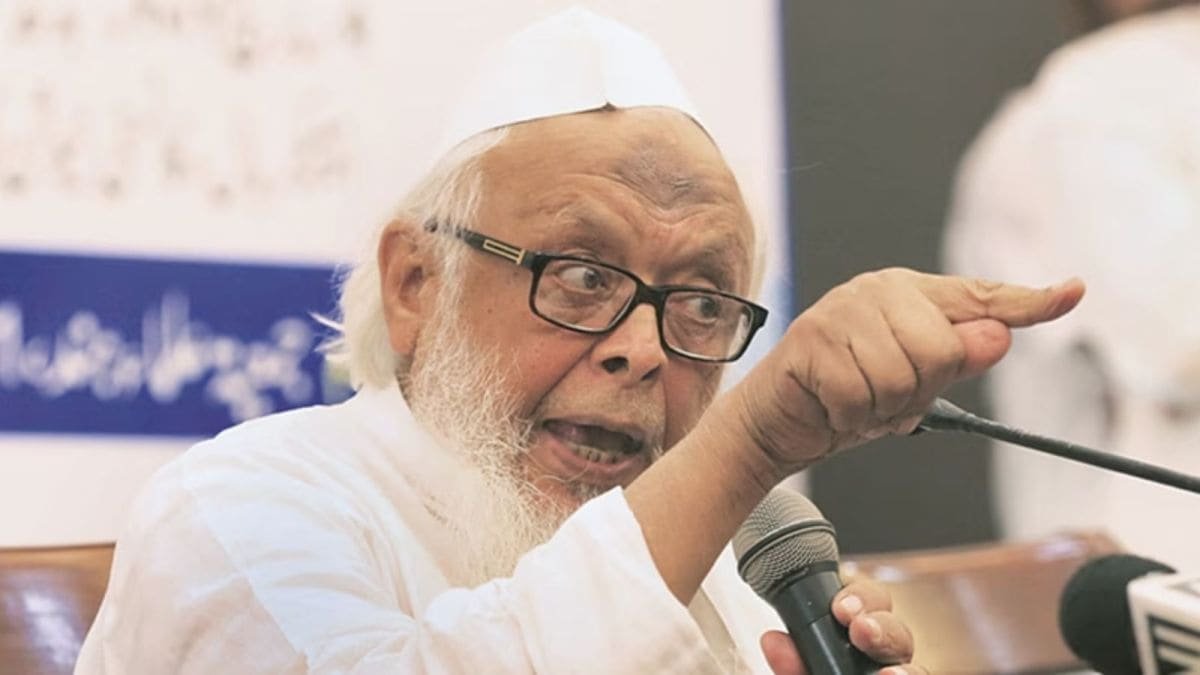
Senior Muslim leader and Jamiat Ulama‑e‑Hind president Maulana Arshad Madani has strongly criticised the central government’s new guidelines on “Vande Mataram.” According to these directives, all six verses of the national song will be made mandatory at government programmes, schools, colleges, and public events. Madani described this move as an attack on religious freedom and the rights of minorities.
In a statement, Madani said, “This decision by the government is unilateral and coercive. Some verses of Vande Mataram present the motherland as a deity, which contradicts the fundamental beliefs of monotheistic religions. A Muslim worships only Allah. Forcing them to sing such words violates the Constitution and Supreme Court rulings.”
He further stated that patriotism is proven not by sloganeering, but through character and sacrifice. Madani alleged that the decision was driven by a political agenda and communal politics.
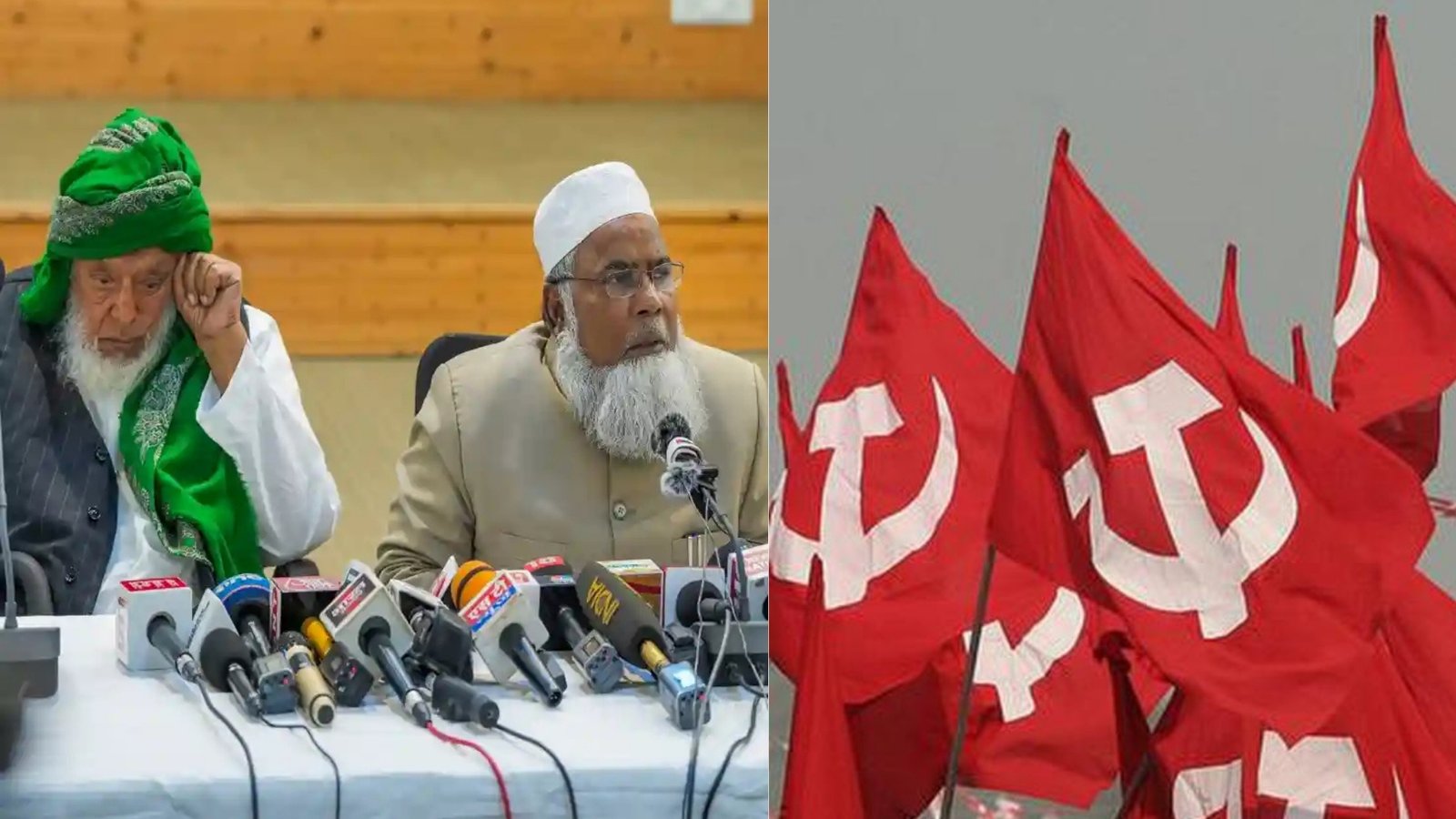
Several Muslim leaders and organisations have also condemned the move. Opposition parties and Islamic groups have said that the step goes against constitutional values and secularism and could have a negative impact on social harmony.
The debate over Vande Mataram has intensified across the country. While some see it as a symbol of patriotism, others consider it a challenge to religious freedom.