

The Allahabad High Court on Wednesday issued a stern warning to the state and local administration over restrictions imposed on prayers at a mosque in Sambal district during Ramadan. The court clarified that potential “law-and-order” concerns cannot be used to curtail the religious rights of any community.
The Case
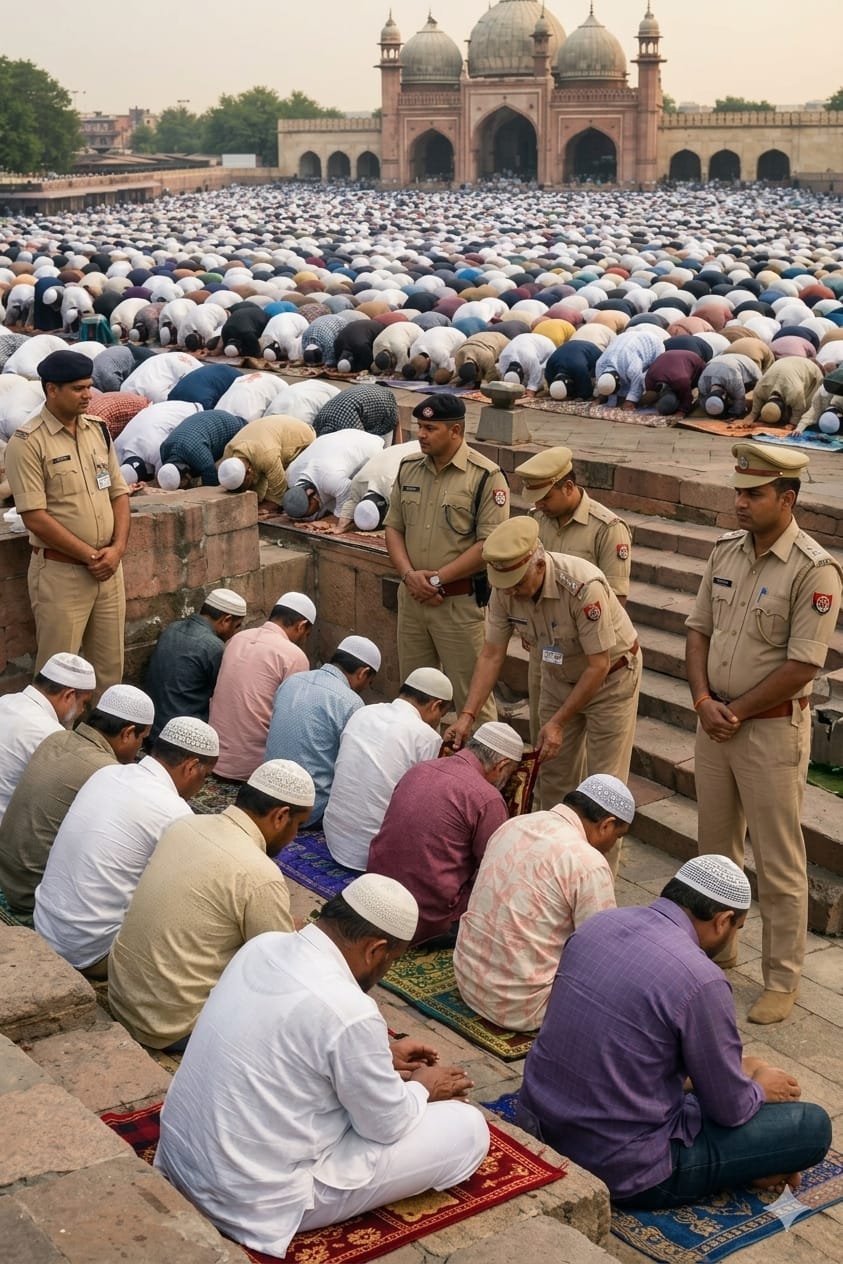
Petitioner Munazir Khan had filed a petition challenging restrictions on prayers at the mosque located on Gata No. 291 in Sambal. He claimed that during Ramadan, a large number of people come to offer prayers, but the administration had limited attendance to just twenty individuals.
Court’s Verdict
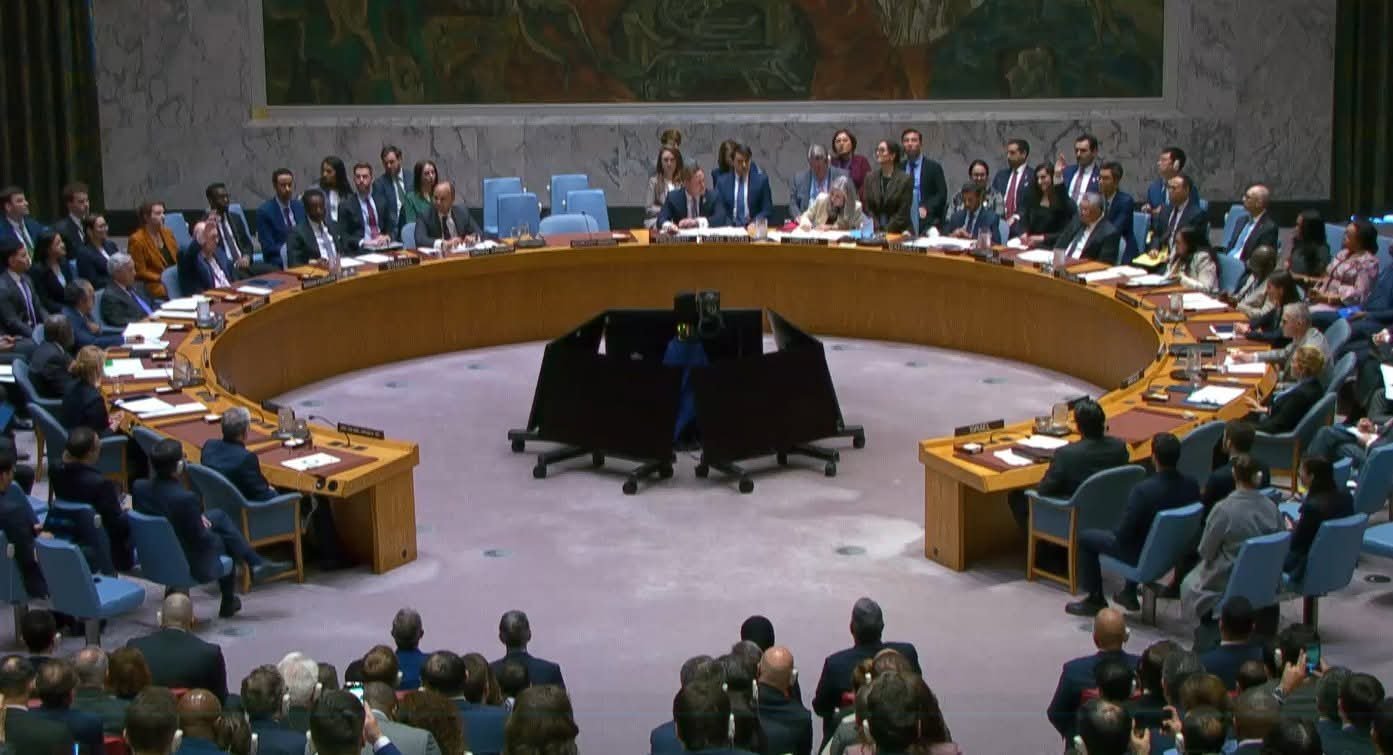
A bench comprising Justice Atul Shridharan and Justice Siddharth Nandan emphasized that it is the state’s duty to ensure that every community can practice their faith peacefully. The bench stated that if local authorities are unable to maintain law and order, they should either resign from their posts or request a transfer, rather than obstruct religious practices.
Constitutional Perspective
The court further clarified that no permission is required to conduct prayers on private property. State approval is necessary only if a religious gathering extends onto public property or streets.
Next Steps
The court directed the petitioner to submit photographs and revenue records related to the mosque. The next hearing has been scheduled for March 16, 2026, and the case will be listed among the “Top 10 Cases.”
Experts have noted that this verdict reinforces the constitutional right to religious freedom (Articles 25 and 26) and serves as a reminder to authorities that law-and-order concerns cannot be used as a pretext to restrict religious activities.