

The Allahabad High Court has taken a stern view in a case concerning the alleged stopping of Friday prayers at a private residence and has issued contempt notices to Bareilly District Magistrate Ravindra Kumar and Senior Superintendent of Police Anurag Arya. The court has sought an explanation as to why such action was taken despite an earlier judicial order on the issue.
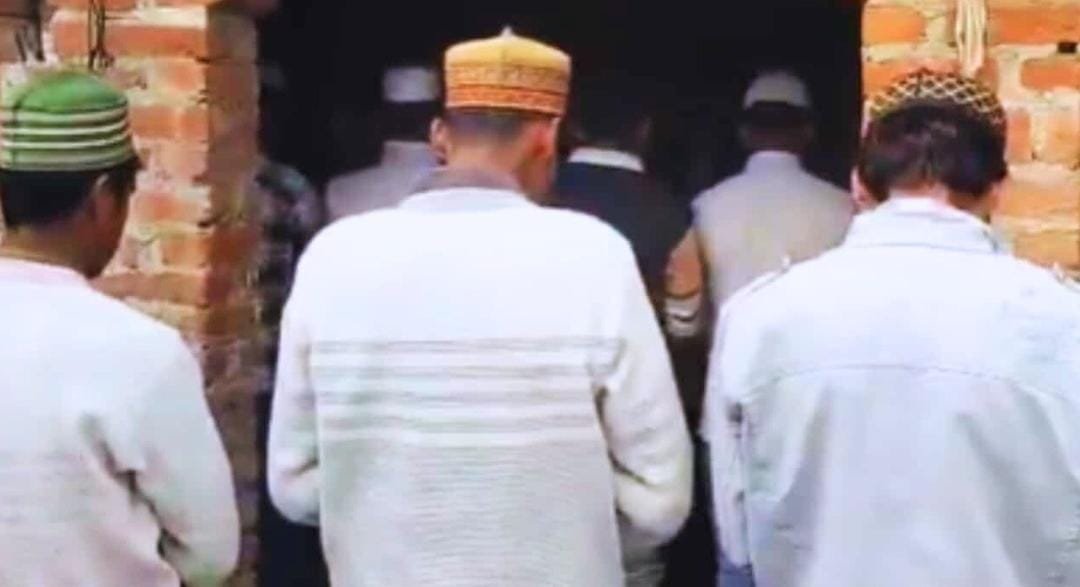
According to the case details, on January 16, 2026, a small group of members from the local Muslim community were offering Friday prayers inside a private house owned by Reshma Khan in Mohammadganj village of Bareilly district. The gathering was held indoors with the consent of the homeowner and involved a limited number of people. It is alleged that following complaints from some neighbouring families, police arrived at the spot and halted the prayers. The attendees were reportedly told that prior permission would be required for any such religious activity in the future.
Challenging the police action, Tariq Khan filed a contempt petition before the High Court.
A division bench comprising Justice Atul Sridharan and Justice Siddharth Nandan, during the hearing, referred to its recent judgment delivered in petitions filed by Maranatha Full Gospel Ministries and Immanuel Grace Charitable Trust. In that ruling, the court had clarified that prior permission is not required for holding religious prayer meetings within private premises, provided they do not spill over onto public roads or government property and do not disturb law and order.
The bench observed that if the Friday prayers were being conducted entirely within a private residence without causing any disturbance to public peace, stopping them could amount to a violation of the right to freedom of religion guaranteed under Article 25 of the Constitution.
The court has directed the District Magistrate and the SSP to file their replies within the stipulated time, seeking clarification on the legal basis for their action and whether any serious law and order situation had actually arisen.
Legal experts believe the case could set an important precedent regarding the balance between administrative authority and the right to conduct religious activities within private premises. If contempt is established, the ruling may lay down clearer guidelines for authorities in handling similar matters in the future. The next hearing is scheduled for a later date.