
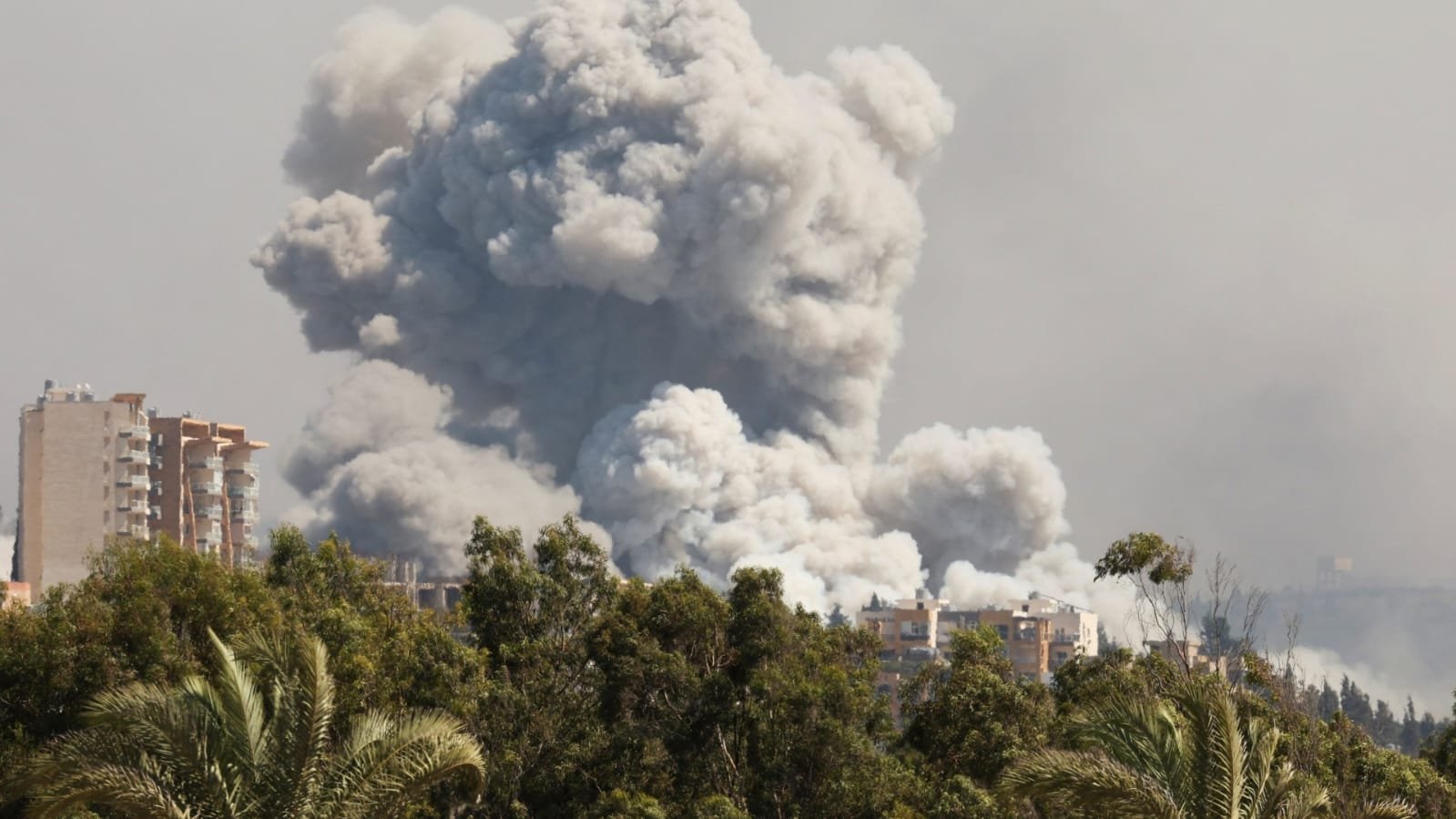
The escalating conflict between Israel and Hezbollah has wreaked havoc across Lebanon. This week’s Israeli airstrikes and missile bombardments have killed at least 123 people and injured 683.
Southern Beirut’s Dahieh district, along with other parts of Lebanon, has borne the brunt of the air attacks, with scenes of thick smoke and widespread destruction. Israel has warned residents in southern Lebanon and the Beqaa Valley to evacuate their homes immediately and move north.
According to the Lebanese government, approximately 83,000 people have sought refuge in shelters so far, while more than 38,000, primarily Syrian refugees, have crossed into Syria.
Hezbollah has responded with retaliatory attacks, claiming strikes on Israeli military positions and vehicles within Lebanon. The group also carried out attacks in the Golan Heights.
United Nations Human Rights Chief Volker Turk condemned the mass displacement as a violation of international humanitarian law, calling the forced movement “unjust and illegal.”
The humanitarian crisis is worsening. The UNHCR described the situation as the “largest humanitarian emergency in the Middle East,” highlighting mounting pressure on health services and infrastructure, alongside growing risks of disease and sanitation issues.
Politically, the conflict extends beyond Lebanon. Amid rising Israel-Iran tensions, the fighting has become part of a broader regional confrontation. Historically, similar displacement and devastation were witnessed during the 2006 Lebanon war.