
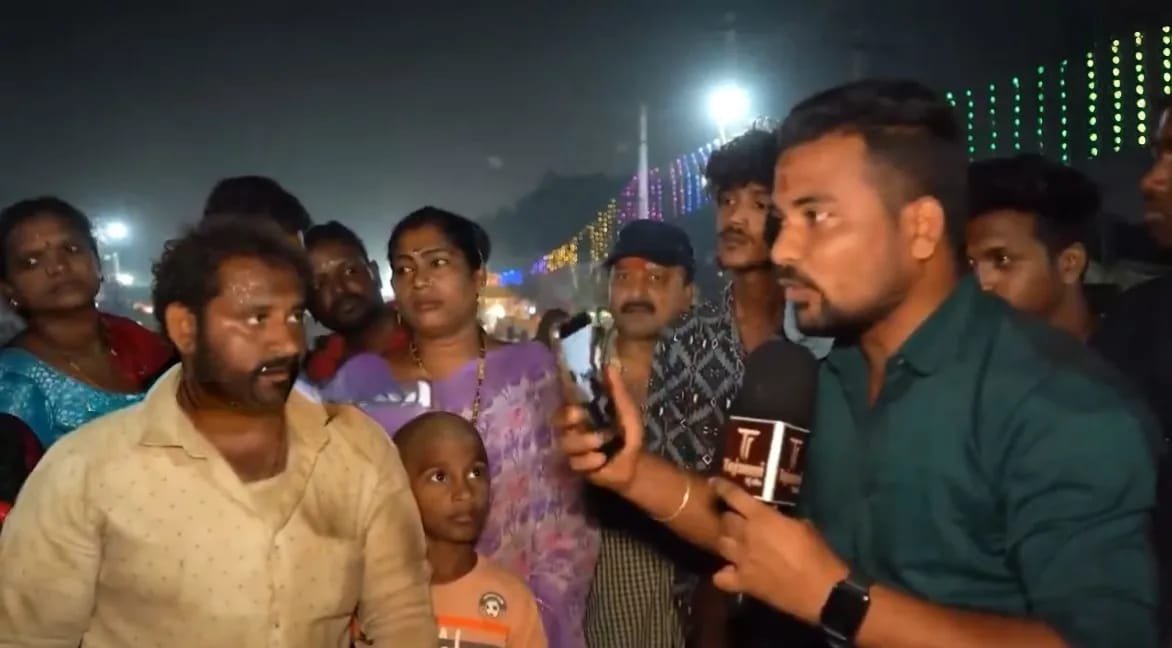
In Mulugu, Telangana, a simple street food vendor selling kova buns became the center of controversy during this year’s Sammakka Saralamma Jatra. A YouTube channel alleged that the vendor, along with other Muslim street food sellers, was engaging in “food jihad,” sparking social and political debate.
The channel, Tejaswi News, released multiple videos last week claiming that some Muslim vendors were selling “substandard and adulterated kova buns.” The videos repeatedly used the term “food jihad.”
In one clip, the channel’s anchor, Balu Balaji Goud, questioned vendors about the manufacturing and expiry dates on their packets. Vendor Ali, who had come from Kurnool, Andhra Pradesh, was shown being forced on camera to eat the buns he had prepared. Ali repeatedly stated that he was simply there to earn a livelihood.
Local residents and viewers voiced strong support for the vendor. Several families were seen feeding the kova buns to their children and criticized the channel for its coverage.
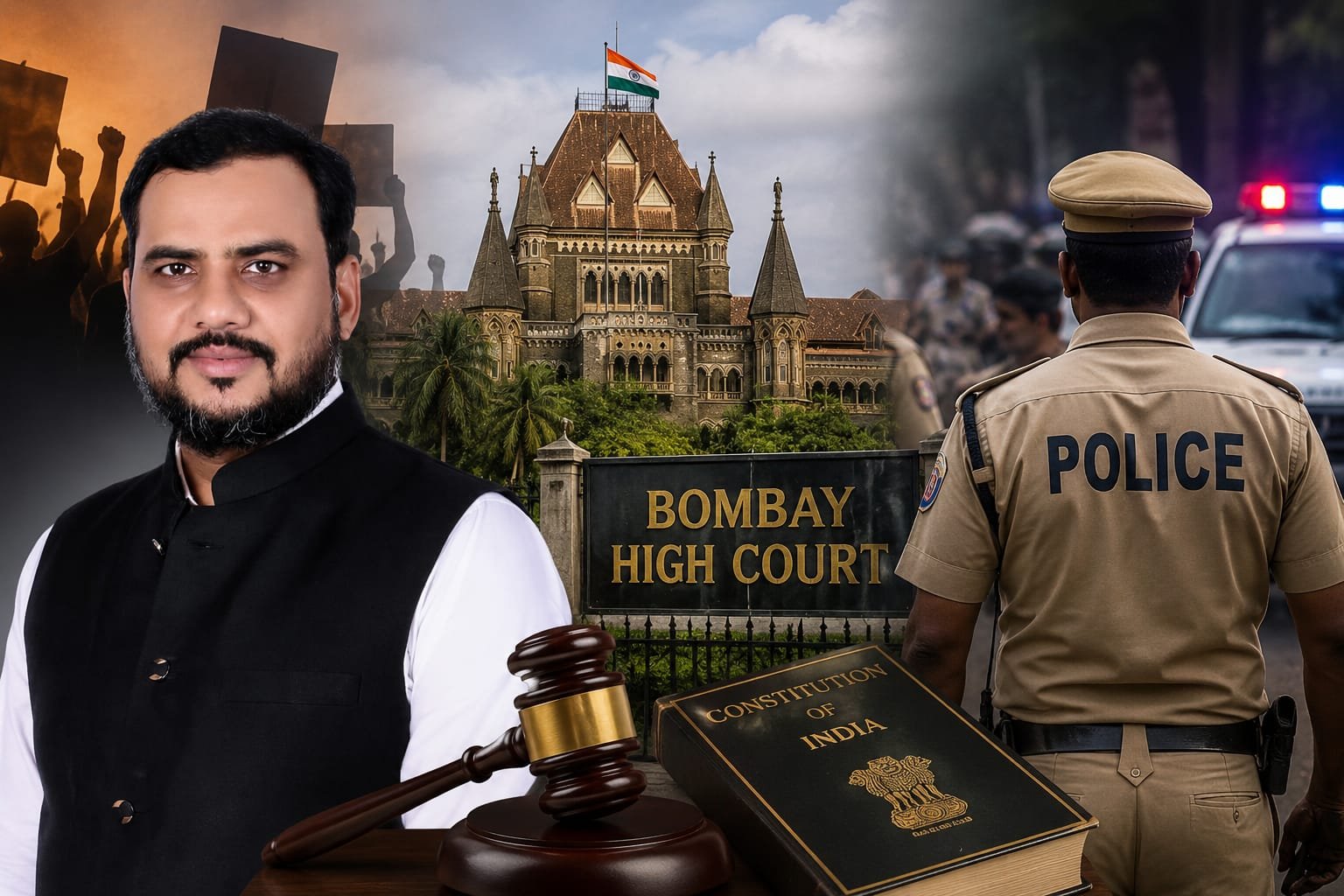
Political reactions were swift. Asaduddin Owaisi called for police action against the YouTubers. Leaders from Telangana and Andhra Pradesh described the allegations as communal and unjust, expressing solidarity with the vendor.
Analysts say the issue goes beyond food safety, highlighting how communal accusations can spread on digital media. The controversy also raises questions about respecting small vendors and maintaining community trust during festivals.